
Do you remember when going to bed was just that? Remove makeup, brush teeth, pull on pyjamas, lights out. Somewhere along the way, bedtime became a checklist of serums, actives and techniques to master before we’re even allowed to step foot in the bedroom. I’ve never been especially loyal to the 10-step routine, and lately I’ve all but broken up with it. Except, that is, for one category I’m evangelical about: overnight masks. Not because I want to rise with TikTok’s glass skin or show the world my ‘morning shed’, but simply to wake up not resembling something vaguely human.
Overnight masks are skincare at its most pragmatic. You apply, you sleep, and while you do absolutely nothing, they get on with hydration, barrier support and repair—everything my 47-year-old face is quietly begging for. Think of them as night creams with more ambition. Minimal effort, impressive results—and, frankly, the only thing I like to go to bed with these days.
What exactly are overnight masks?
A ‘sleep’ mask sits somewhere between a treatment and a moisturiser. Unlike traditional masks that rinse away after 10 minutes, these stay put, sealing in moisture and cushioning skin for hours when regeneration should be happening. Formulated to be more targeted than a standard night cream, these masks focus on hydration, barrier reinforcement and recovery—exactly what skin tends to struggle with as hormone levels fluctuate. Think of them as a reinforcing layer that helps your skin do its job better.
What happens to our skin overnight?
At night, skin stops playing defence and turns its attention inward. According to Dr Ahmed El Muntasar, overnight is when cell turnover increases, and collagen repair becomes more active, after spending the day protecting itself from UV, pollution, and oxidative stress. The problem? That repair capacity doesn’t stay constant. “As women reach their 40s, this repair capacity gradually declines,” he explains. “Falling oestrogen levels affect collagen production and barrier function, which means the skin can become drier, duller, and more prone to fine lines and wrinkles over time.”
Aesthetic nurse Anastasia Koles agrees. “Overnight is when the skin moves into repair mode. Circulation increases, cell turnover peaks and the barrier focuses on recovery. After 40, that process naturally slows,” she says. “Collagen production declines, lipid levels drop, and we lose more water through the skin, which is why many women wake up looking more lined, dehydrated or flat.”
Charley’s skin after sleeping in an overnight mask
(Image credit: Future, Charley Williams-Howitt)
How do skincare masks work while we sleep?
The effectiveness of overnight masks comes down to how they interact with the skin barrier. “Overnight masks typically form an occlusive or semi-occlusive layer on the skin,” explains Dr Ahmed. “This helps reduce water loss, enhances hydration, and keeps active ingredients on the skin for longer.” Crucially, night-time removes many of the obstacles that limit results during the day. “Because there is no UV exposure or environmental stress overnight, this allows those ingredients to work more effectively and can help improve overall skin quality and hydration,” he adds.
Koles describes it as an extended treatment window. “An overnight mask forms a light sealing layer over the skin, helping to reduce water loss while keeping active ingredients in place for several uninterrupted hours,” she says. “Because you are not exposed to UV or environmental stress at night, the skin is in a better position to absorb and respond to treatment ingredients.” The result isn’t a dramatic overnight transformation — it’s skin that looks calmer, more cushioned and noticeably more rested by morning.
How to choose an overnight mask for your skin type?
If dehydration and plumping are the main concerns, look for ingredients such as glycerin and hyaluronic acid.
For barrier repair and signs of ageing, look for ingredients like retinoids, peptides, and growth factors.
If brightening and evening skin tone are the priorities, ingredients such as vitamin C, niacinamide, or gentle exfoliants can be helpful.
For soothing and calming the skin, look for ingredients such as panthenol, centella, and allantoin, and choose fragrance-free formulas where possible.
If texture and uneven skin are the main concerns, mild acids such as lactic or glycolic acid can help enhance cellular turnover.
How should we apply overnight masks?
Both experts agree that overnight masks work best as the final step in your routine. Cleanse, apply serums or treatments as usual, follow with moisturiser if you use one, then finish with a thin, even layer of mask over the face and neck. “More is not better in this case,” says Dr Ahmed. “Using too much can be counterproductive.” The aim is to seal everything in, not suffocate the skin.
For women over 40, consistency is where the payoff lies. “Hydration doesn’t hold as well as it once did,” explains Koles. “So sealing everything in overnight helps strengthen the barrier and improve resilience. Used consistently, they can make skin look fresher and more rested by morning.” Which is, ultimately, the appeal. No elaborate technique. No alarm set for rinsing. Just confidently getting on with the job while you sleep.
Shop overnight skincare masks
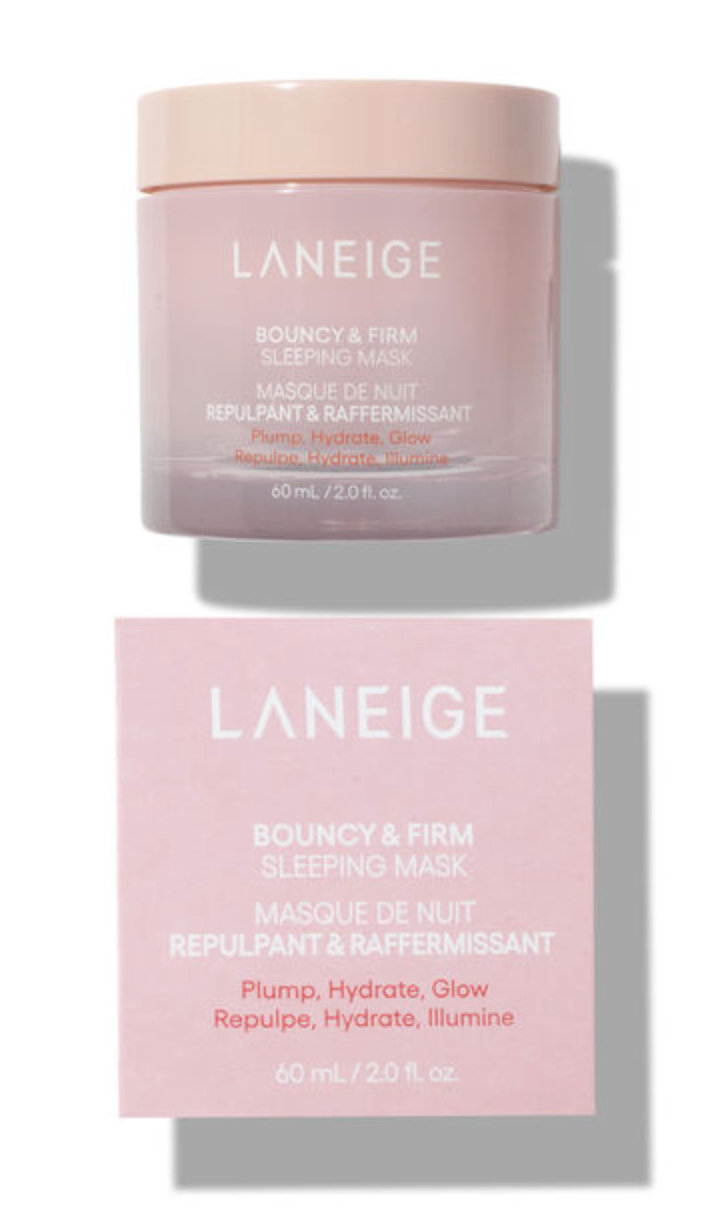
LANEIGE
Bouncy & Firm Sleeping Mask
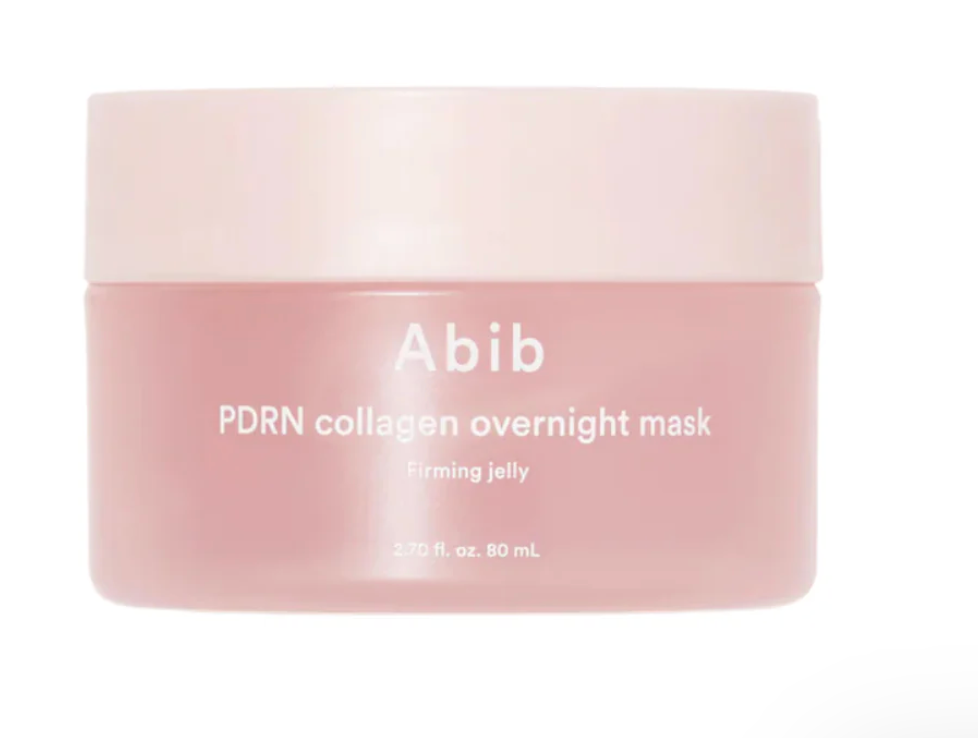
Abib
PDRN Collagen Overnight Mask
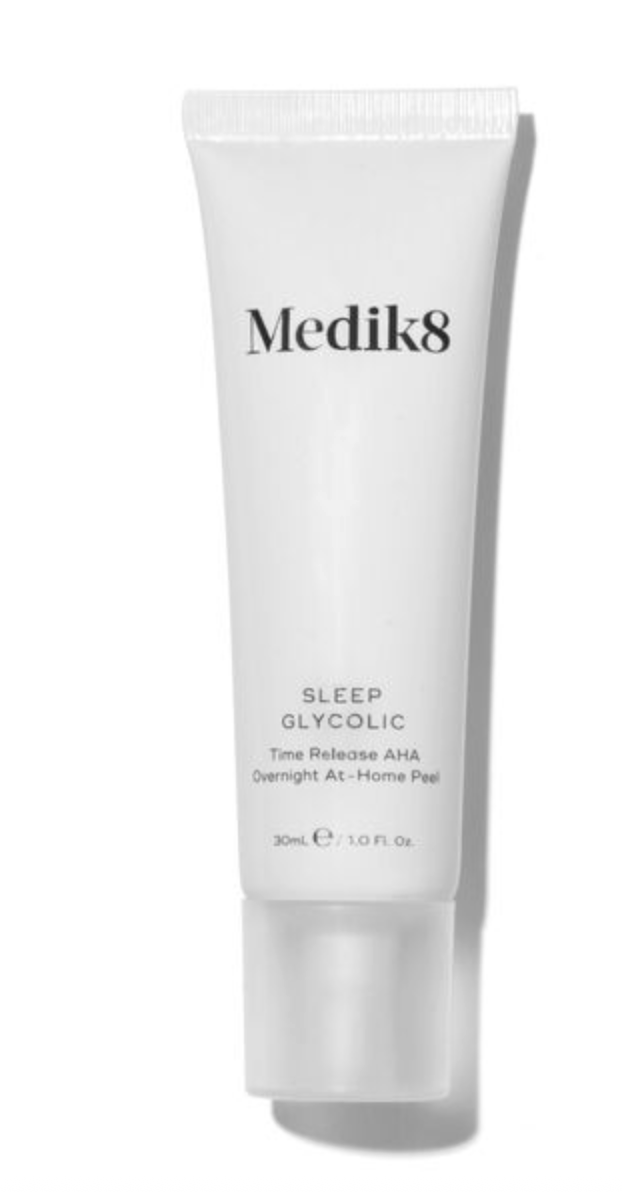
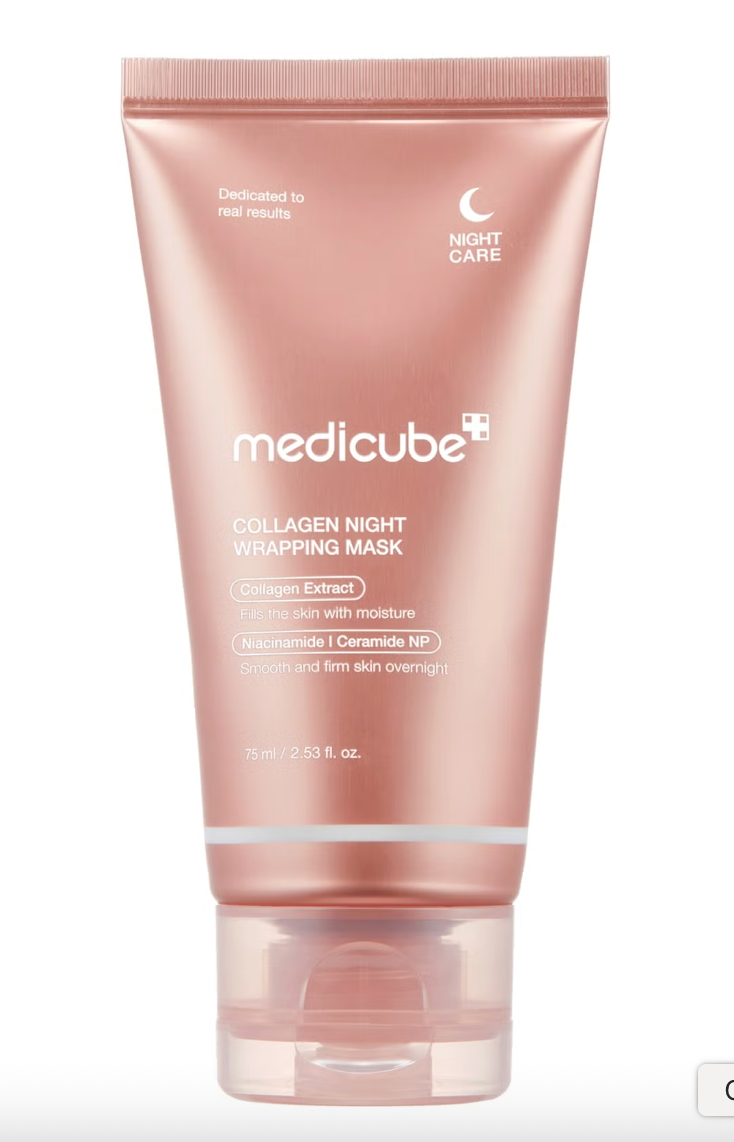
Medicube
Collagen Night Wrapping Mask
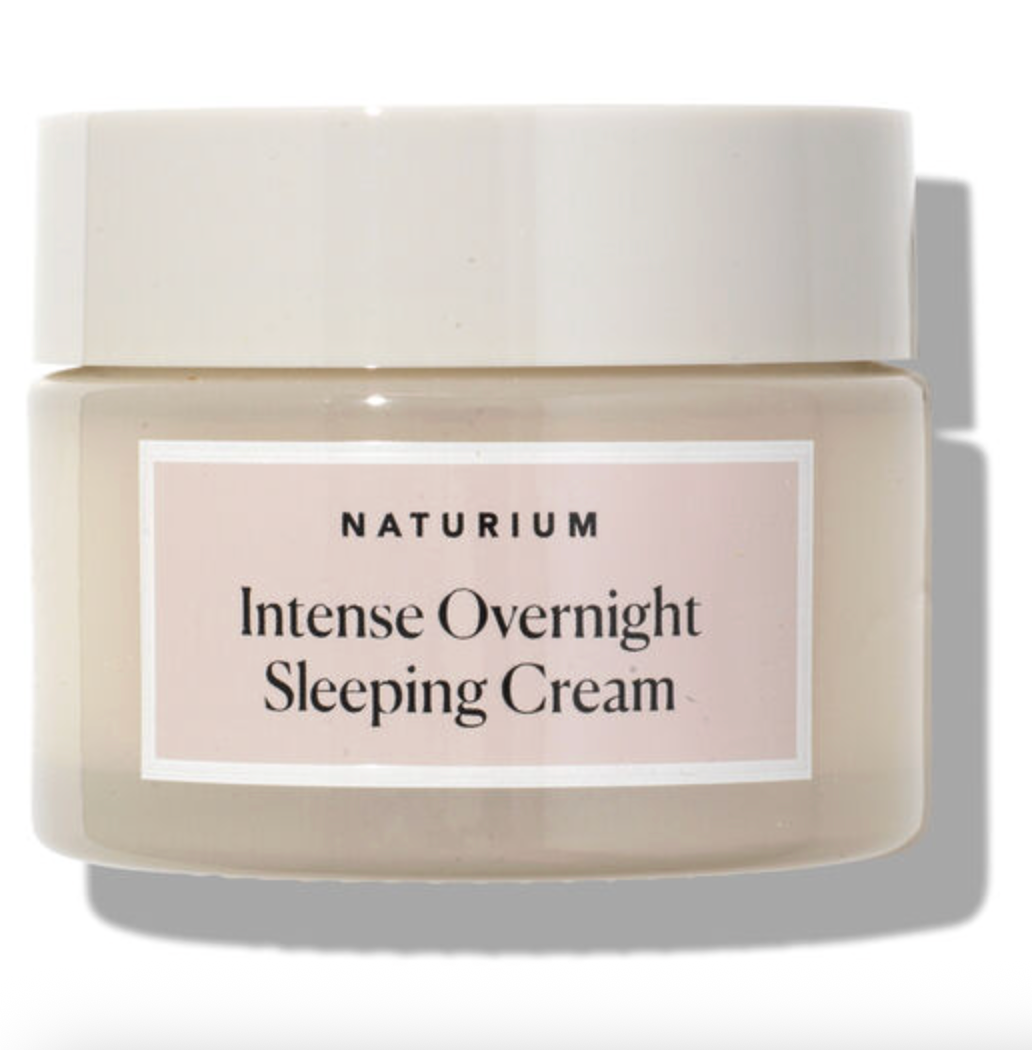
Naturium
Intense Overnight Sleeping Cream