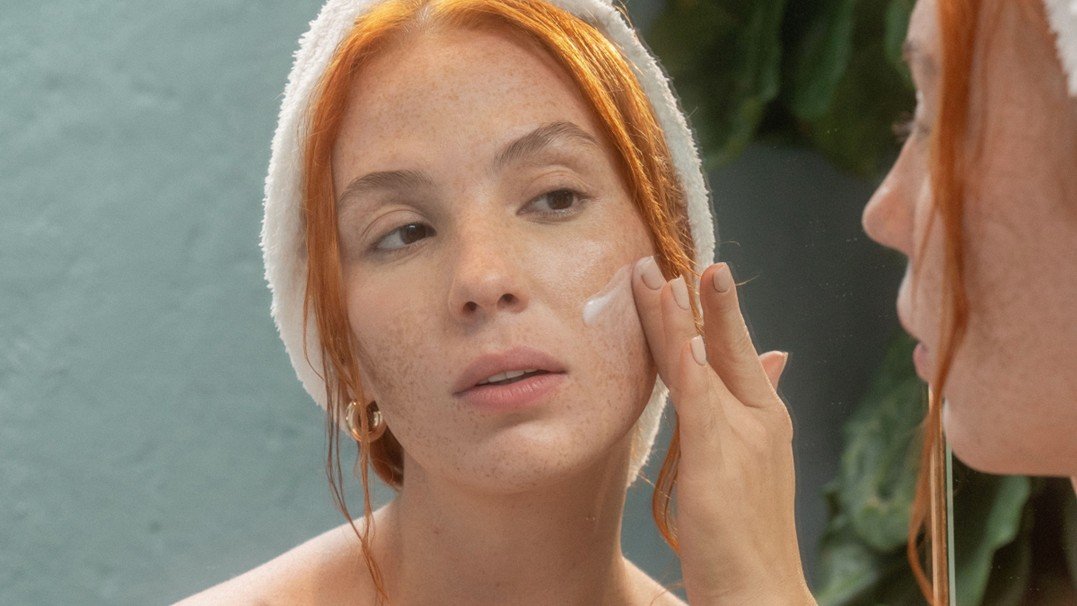
With constant accessibility to mass information, consumers are empowered to make insight-driven decisions that align with their personal needs and goals. As beauty and personal care play a central role in identity and self-expression, hyper-personalisation is emerging as a powerful trend and purchasing driver.
Aligning with information-empowered wellness practices, beauty is no longer about generic offerings. It is becoming increasingly bespoke, personal and deeply connected to individual journeys. This shift has given rise to hyper-personalisation, where technology and data facilitate beauty solutions that co-ordinate across life stages.
For ingredient suppliers, brands and formulators, this transformation signals more than a trend. It represents a new global standard: beauty that aligns with consumer experiences.
What is Life Stage Beauty?
Life stage beauty recognises that skin, hair and overall wellness need change with age. From teens through to mature years, our physiology, hormones and lifestyles create unique requirements that cannot be solved by one-size-fits-all products.
From teenage routines focused on even skin tone and managing breakouts, to hormonal changes and adult preferences for prevention and hydration, and finally to the mature needs for firmness and skin vitality, beauty is a journey shaped by changing life stages.
Life stage beauty is not about chasing youth. It is about supporting the natural journey of skin and hair health at every step. Brands that design with this perspective ensure relevance across a lifetime for consumers needs.
Tech Integration in Personalisation
Technology is leading the accessibility of hyper-personalisation. From AI-driven recommendations to skin analysis and ingredient-matching apps, consumers now have the tools to better understand their unique skin biology and lifestyle factors.
AI tools offer personalised diagnostic and recommendations based on skin analysis while epigenetic profiling unlock deeper understanding of influence biological ageing based on individual predispositions and environmental influences. AI-powered tools can then translate this information into bespoke routines and ingredient blends that feel uniquely tailored to the individual.
Health and fitness wearables are another factor shaping personalised beauty by tracking sleep, stress, hydration and activity. When combined with AI-driven beauty apps/platforms, these insights help consumers adapt their routines to better aligned with both their skin and lifestyle, supporting a more holistic and proactive approach to personalisation.
Cultural trends like K-Beauty layering are also influencing this space. Amplified by global platforms like TikTok, user-generated content has become a research hub for millions of consumers. These digital-first behaviours demonstrate the demand for both education and empowerment in the personalisation journey.
Consumer Behaviour and Demand for Personalisation
Modern consumers are no longer passive recipients of marketing. They are active participants expecting products to reflect their individuality. The desire for tailored experiences is not just functional but emotional. This behavioural shift is relevant across all industries, but where beauty is uniquely personal, it’s progressively being seen as a default, to make it personalised.
Consumers seek products that align with their identity, their lifestyle and their evolving aspirations. Hyper-personalisation delivers this by making beauty routines interactive, responsive and personally impactful.
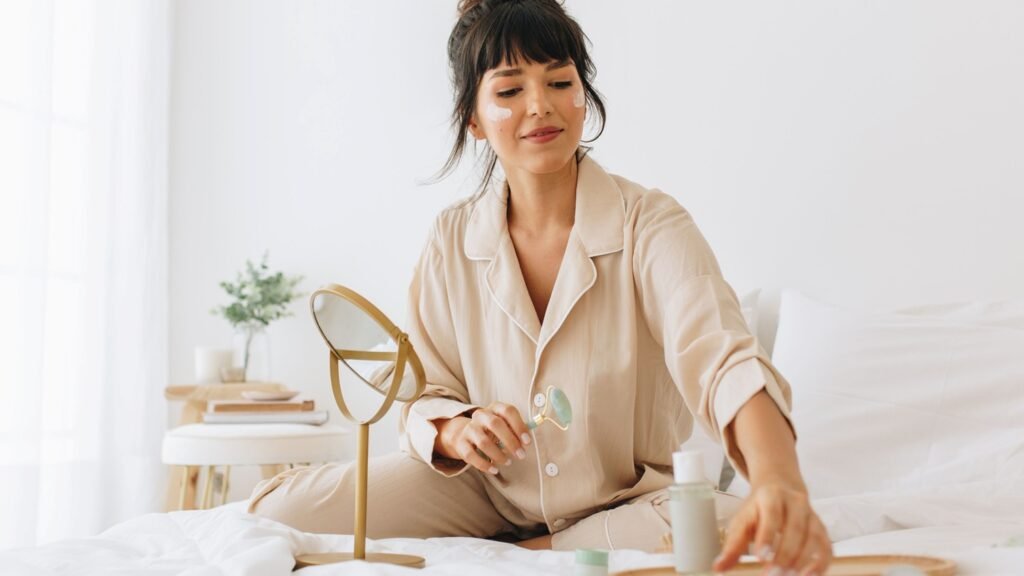
Mindful Product Design for Life Stages
To remain competitive, brands must translate consumer expectations into data-driven innovation. This means moving beyond broad claims and creating products with clear relevance to life phases.
- Adolescence: Gentle barrier-supporting formulations for oil balance and acne-prone skin, helping young skin thrive without over-stripping or irritation.
- Adulthood: Multifunctional products addressing early signs of ageing while defending against lifestyle-related impacts and environmental stressors, combining hydration, antioxidants and sun protection for proactive skin health.
- Maturity: Advanced actives focused on firmness, hydration, vitality and resilience, supporting the skin’s natural repair processes and promoting a long-term sense of radiance and well-being.
Integrating emerging technology in R&D, formulation and marketing, brands can design beauty solutions that feel like natural companions through life’s stages. Created to be malleable, purposeful and emotionally resonant.
Ingredient Innovation Driven by Personalisation
Hyper-personalisation has not only changed how products are positioned, but also how they are formulated and tested. Ingredient development is shifting toward:
- Targeted efficacy: A rise in multifunctional actives tested across specific skin types and life stages rather than broad “all skin” claims.
- Smarter testing protocols: Increased demand for clinical data on niche concerns such as stress-induced sensitivity, scalp vitality or barrier repair at different stage of life.
- Adaptive formulations: Greater emphasis on modular or customisable formulations where actives can be layered or blended to suit different needs.
- Trusted Ingredients that Meet Consumer Needs: Key molecules to look out for that are meeting these needs (versatility to be able to adapt to different life phases, with targeted testing that proves they are clinically proven as solutions to specific skin/hair concerns). For example, ceramides for barrier support, peptides for firmness, niacinamide for oil balance, hyaluronic acid for hydration.
Decision Fatigue and the Beauty Shift

Consumer behaviour in beauty has come full circle. For years the industry was defined by an overwhelming abundance of choice whether through the endless shelves in stores, the constant production of new brand launches or heritage brands releasing product after product. Today after navigating this overload customers are experiencing decision fatigue and seeking something different: a tailored and bespoke experience.
Hyper-Personalisation: The New Beauty Standard
The future of beauty lies at the intersection of life stage relevance and technology-driven hyper-personalisation. Products will no longer simply sit on a shelf. They will evolve in tandem with consumer journeys powered by AI insights, skin/hair analysis and interactive digital tools.
For brands and ingredient suppliers this is both an opportunity and a responsibility. Adapting to this market shift means creating products that are not just effective but also personally empowering, solutions that support confidence, health and vitality at every age.
Hyper-personalisation is not just about better products. It is about creating lifelong beauty partnerships that shape the way consumers engage with beauty. Personalisation in beauty is moving beyond generic claims and mass recommendations, evolving into experiences that feel truly individual and rooted in reality.