
The summer may seem like the season of breakouts. After all, we sweat more, produce excess oil and experiment with different SPFs. However, the winter months can wreak havoc on skin, causing everything from dryness to inflammation to breakouts.
The causes, however, may seem less obvious, making it more challenging to know how to course-correct. I spoke to two skin experts about the most common ‘unseen’ reasons for winter breakouts—and you may just be surprised to learn about some.
1. A change in your skin barrier
The skin barrier is essential for your skin’s health: it ensures all the good stuff (like moisture and hydration) stays in, and the bad (such as pollution and potential irritants) keeps out. The way it works can vary depending on the time of year and the temperature outside, the experts say. “The natural cycle of renewal can slow down, which leads to increased dead cell build-up and trapped sebum,” comments facialist Kate Kerr. This can also lead to dehydration, which is detrimental to the skin’s overall health. To prevent this, you should adjust your skincare routine accordingly (more on this later).
2. Central heating
A common culprit for winter breakouts (and dryness) is central heating. Of course, during the colder months, we dial up our radiators to stay warm, but this inevitably can impact the skin. “Central heating creates a dry, warm environment that encourages inflammation and can worsen both acne and rosacea—also, going from hot to cold environments can exacerbate things,” explains Kerr. “Indoor heating dries the air, which leads to drier skin and a weakened barrier—and that combination can paradoxically trigger more inflammation and breakouts,” adds Consultant Dermatologist Dr Sidra Khan.
3. Increased stress
While many elements of winter are joyous (festive fun is a big part of this), it can also be a stressful time for some. Making big Christmas plans and then enduring cold, harsh January’s (which feel particularly miserable post-December) can cause stress levels to spike – and cortisol (the stress hormone) is notoriously bad for skin health. “Stress and disrupted routines during the festive season play a part, as cortisol and inconsistent skincare can easily trigger breakouts,” Kerr notes.
4. Winter scarves
5. The wrong skincare
Adjusting your skincare routine for winter can help address many of the causes above, but getting it wrong can also contribute to acne. Around this time of year, it’s tempting to switch to super heavy, thick, rich creams when skin feels dry and stripped. But while added moisture is essential, doing it with the wrong texture can actually be counterproductive: “Heavy, occlusive textures applied in an attempt to ‘protect’ the skin can block pores when the skin is already sluggish,” says Kerr.
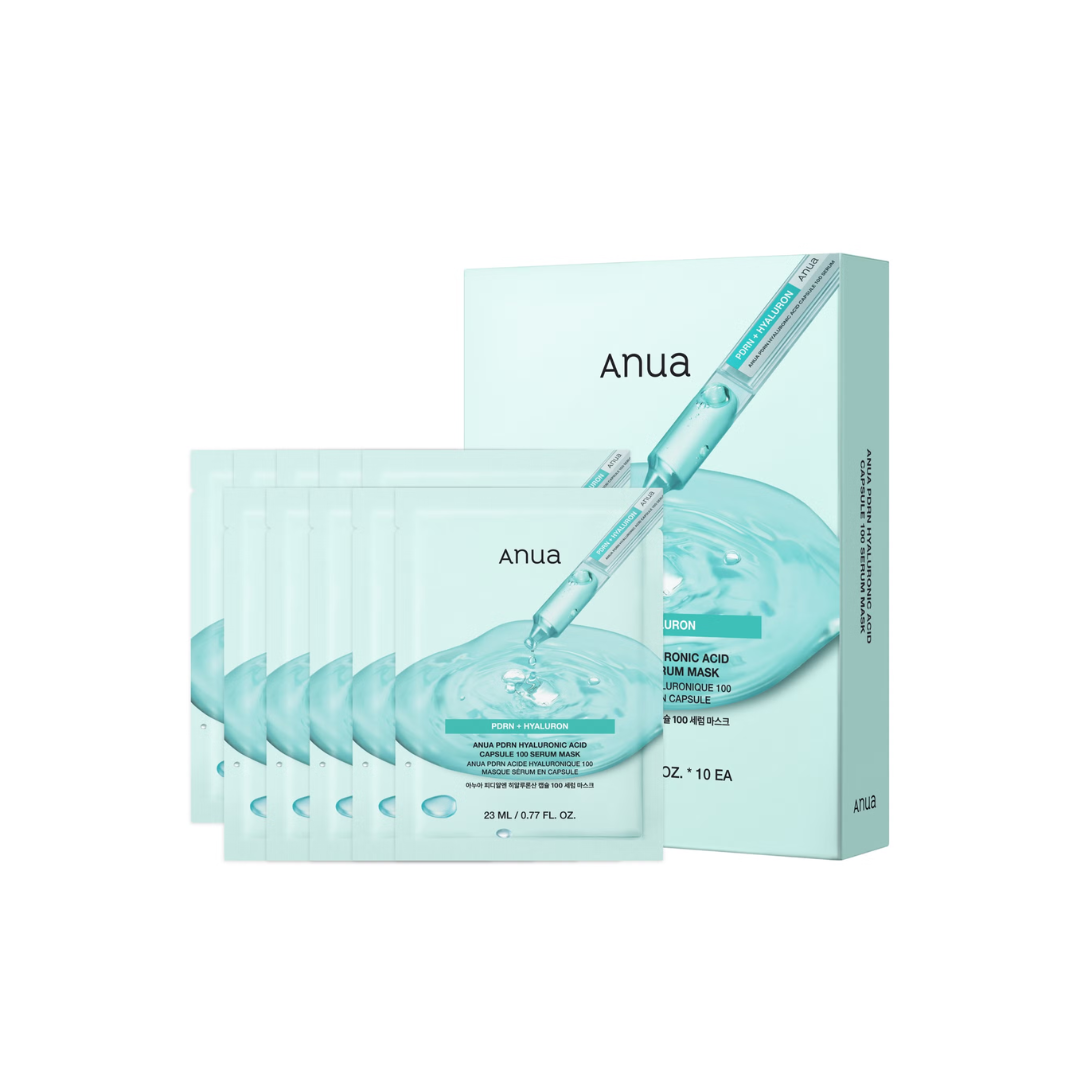
Instead, keep your routine simple but layered, and focus more on ingredients. Start with a gentle cleanser, and include gentle exfoliation (acids like lactic are less abrasive than others) to support the skin barrier. In terms of moisturiser, stick to a “lightweight, non-comedogenic and ceramide-containing moisturiser to support the barrier without clogging pores,” advises Khan. Kerr recommends sheet masks [or, I’d add, cream masks that aren’t too heavy], and Khan says that acne-prone skin that needs the help of actives such as azelaic acid or salicylic acid should introduce these very slowly.
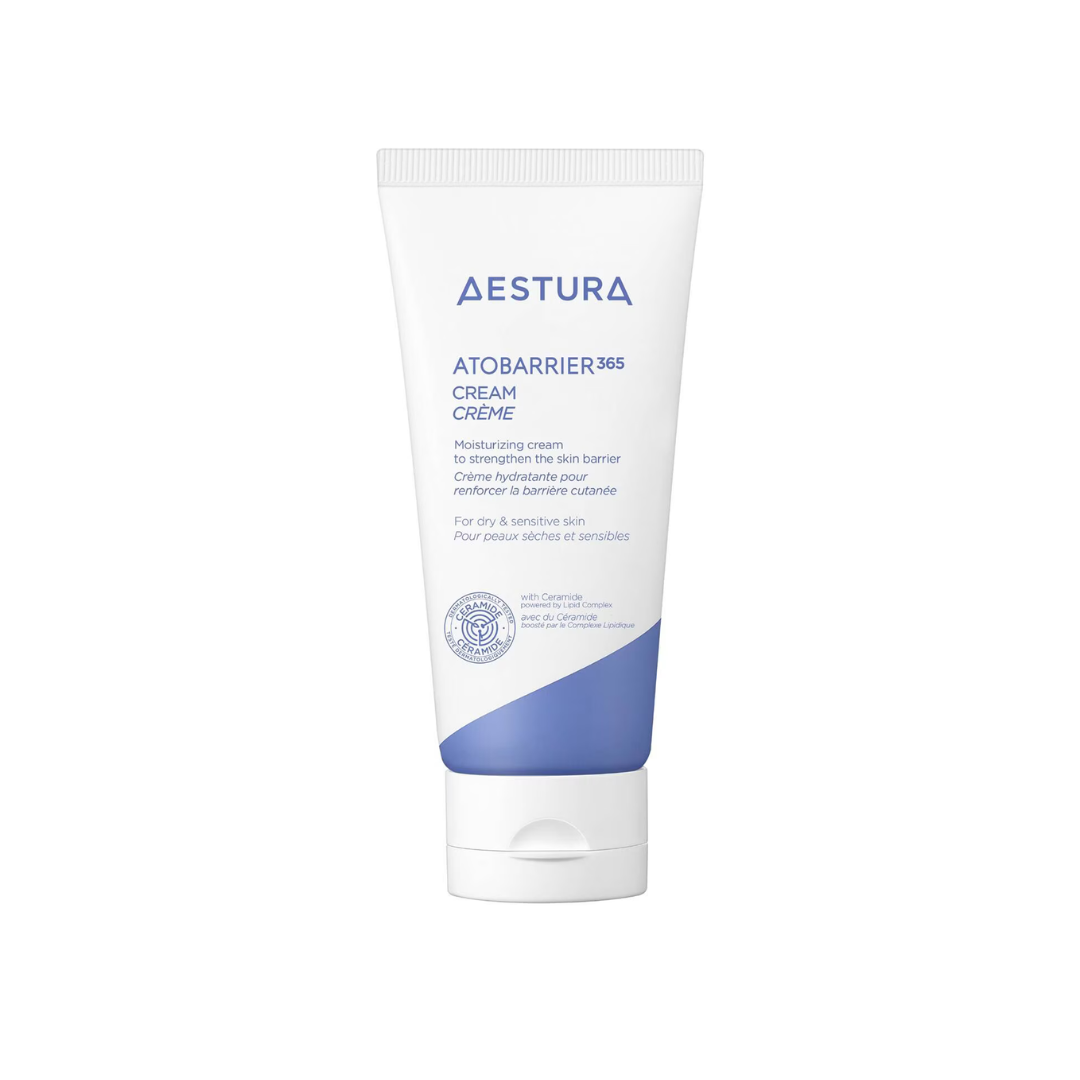
Aestura
ATOBARRIER365 Cream
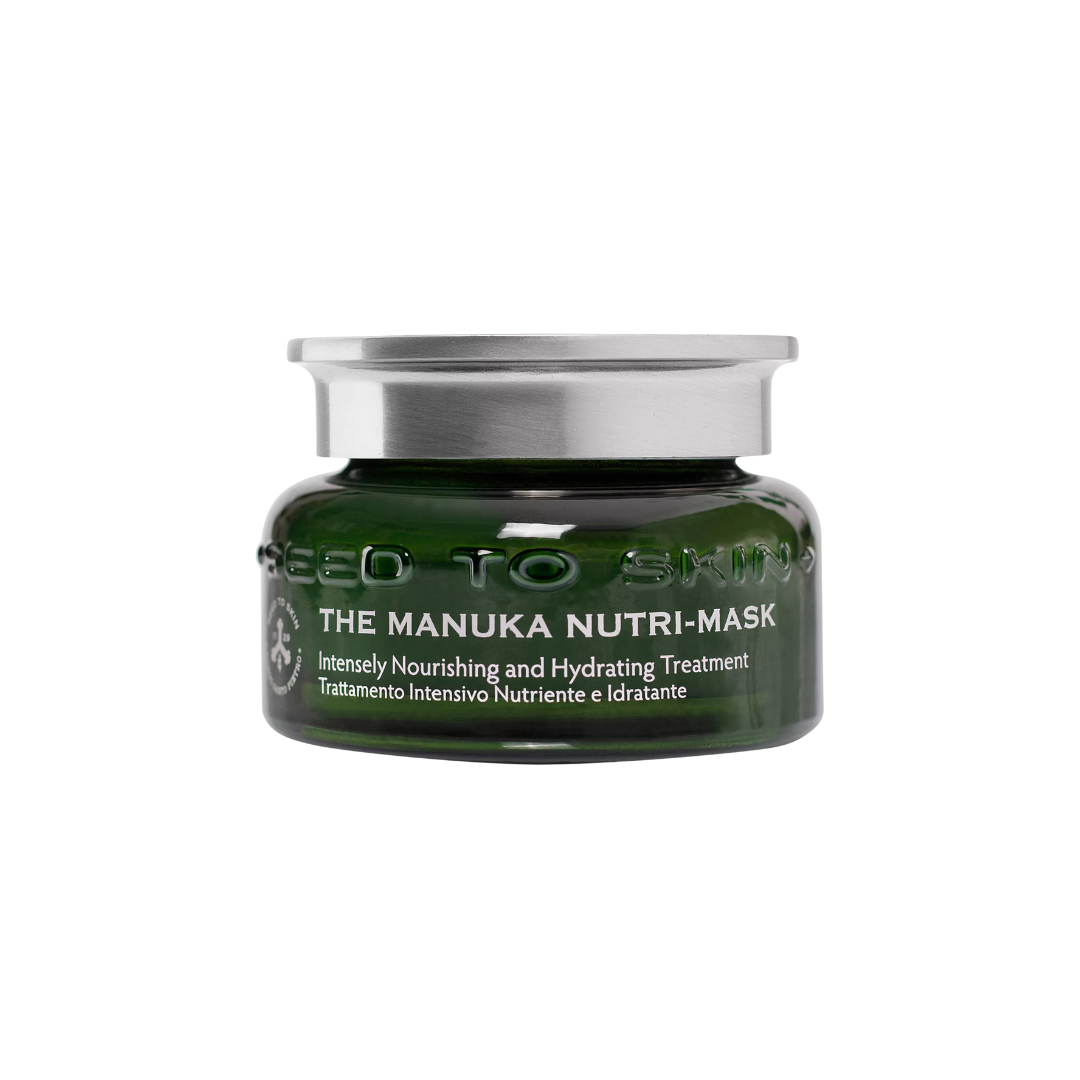
Seed To Skin
The Manuka Nutri-Mask
“Other tips could be increasing your functional hydration—so helping skin pull moisture from within—by turning down the central heating, having a humidifier as you sleep and also upping your dietary hydration, rather than layering on too many products,” concludes Kerr.