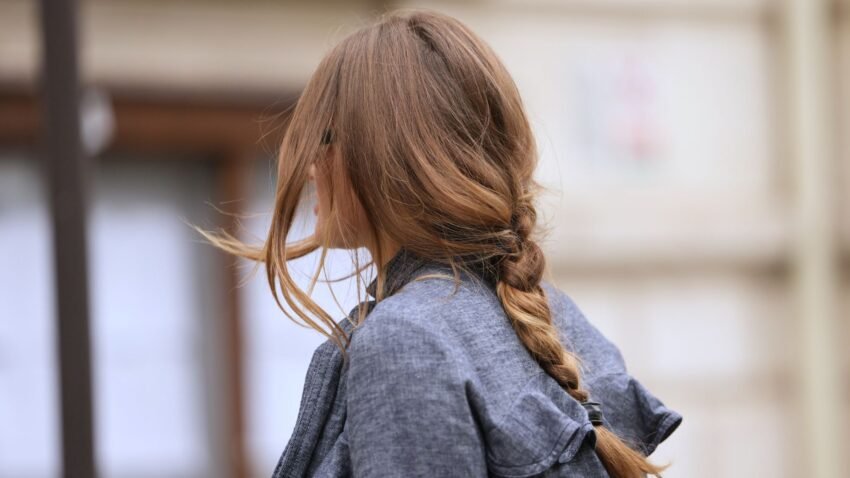
Have you ever felt like your hair actually hurts? Usually an aching sensation at the roots, it can be pretty uncomfortable—particularly if you’re trying to style or re-part your hair. Although most of us assume it comes from wearing a tight updo or leaving it a little too long between washes, the real answer is slightly more complicated.
“The discomfort often described as hair ‘pain’ or an uncomfortable sensation near the scalp can arise from several factors related to the condition of the scalp and hair, and it is essential to understand these mechanisms to address the issue effectively,” says Marta Teixeira, Polytar Trichologist.
What causes hair to hurt?
“A common cause of scalp discomfort is the tension and stress on hair follicles due to hairstyles such as tight ponytails or braids,” explains Teixeira. “This is enhanced when hair is released after being tied back for an extended period, leading to a sudden rush of blood circulation and hypersensitivity of the scalp area, often termed trichodynia.” This is why you might notice your hair feels most painful right after you take out your ponytail.
However, if you rarely wear your hair tied up and still experience an uncomfortable sensation at your roots, it could be due to greasiness. “The presence of excess sebum and oil accumulation can result in a condition where the scalp becomes greasy, potentially leading to discomfort,” says Teixeira. “An oily scalp may create a breeding ground for various microorganisms, including yeast species like Malassezia, which are associated with dandruff and other scalp conditions.
“While some anecdotal claims suggest that yeast buildup is the primary cause of hair discomfort, the connection is more nuanced. The irritation from these microorganisms can contribute to inflammatory responses on the scalp but are not the sole factor behind the sensation of hair pain.”
Although these are the most common causes, there is also the possibility of a fungal infection. “Conditions such as tinea capitis (a fungal infection of the scalp) can directly lead to discomfort by causing inflammation and pain in affected areas (Hay, 2016). The irritation from such infections can enhance scalp sensitivity and discomfort when moving hair. However, tinea capitis is more prevalent in children and less so among adults unless other risk factors are involved, such as compromised immunity or specific hair care practices. Therefore, attributing scalp discomfort solely to yeast or fungal infections can be misleading and overly simplistic,” explains Teixeira.
Whilst some of these causes may sound fairly convoluted, prevention and cure is actually fairly simple to keep on top of.
How to prevent and remedy painful hair
“In terms of prevention and remedy, maintaining proper scalp hygiene is pivotal,” stresses Teixeira. “Regular washing with appropriate shampoos that remove excess oil and buildup while promoting a healthy scalp microbiome can alleviate discomfort. Furthermore, ensuring hairstyles do not apply excessive tension on the hair follicles can prevent the discomfort associated with hair being pulled or stressed.
“While hair discomfort can indeed be indicative of underlying scalp health issues, including the presence of microorganisms, attributing this solely to yeast or fungal infections lacks sufficient evidence. An integrated approach that focuses on scalp hygiene, gentle hair management practices, and taking note of individual sensitivities can facilitate relief from this often-disconcerting sensation,” concludes Teixeira.
Taking care of your scalp with a scalp oil or treatment, detoxifying shampoo, washing thoroughly by cleansing twice, and avoiding overly-tight hairstyles too often should go a long way in avoiding painful hair. However, any particular concerns over irritation or excessive discomfort should be flagged with your healthcare practitioner.
Shop scalp care
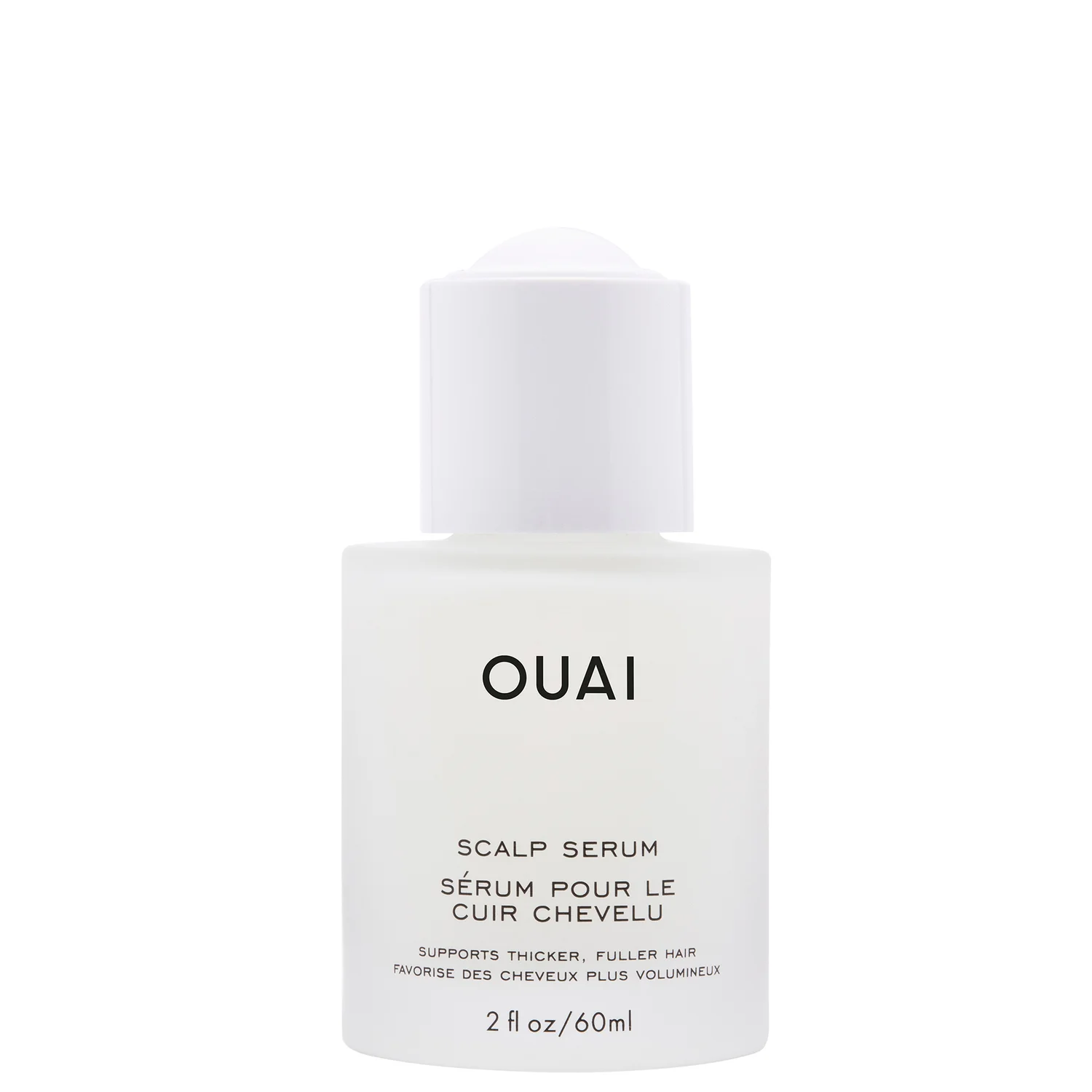
OUAI’s serum works to deeply hydrate the scalp and promote thicker, fuller looking hair.
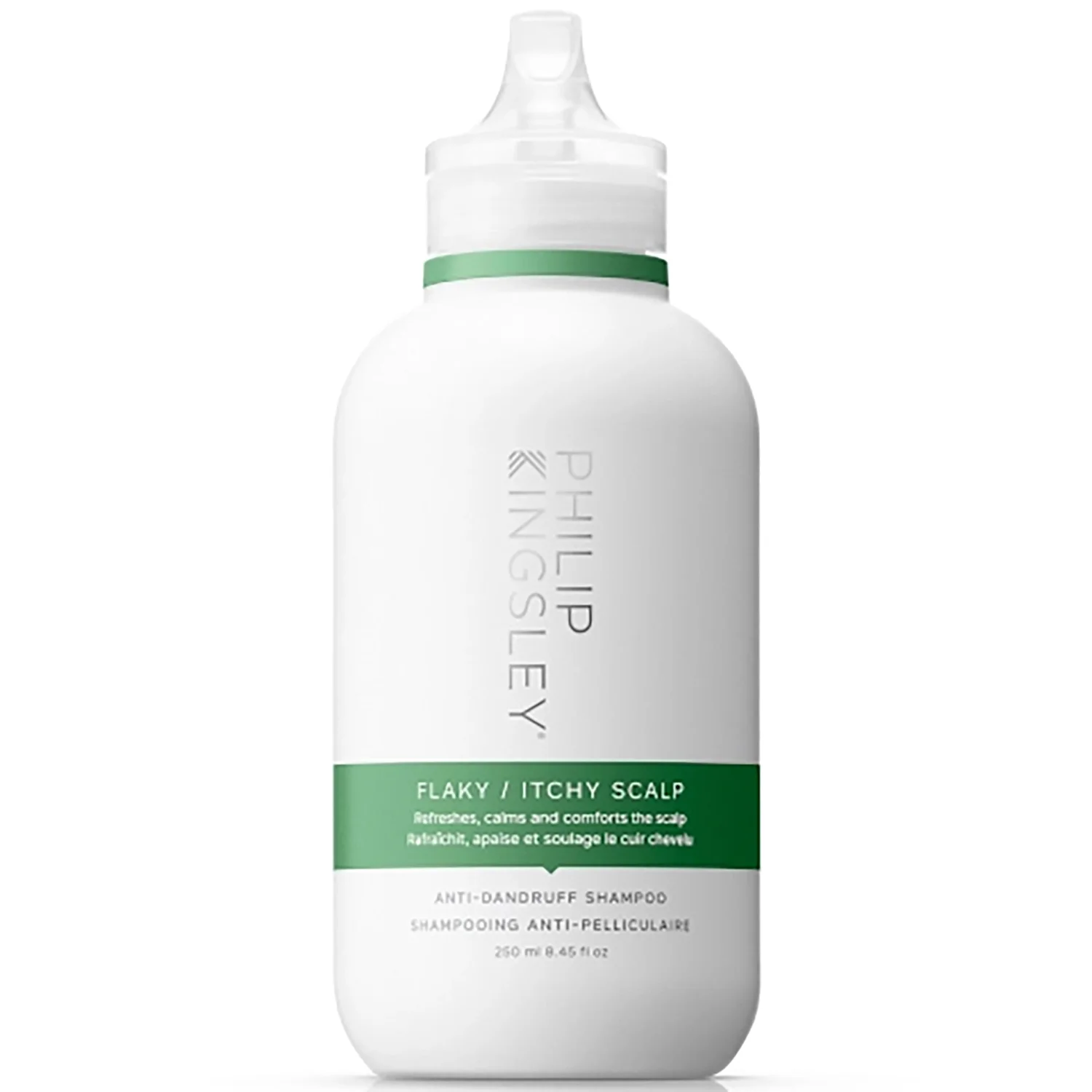
Philip Kingsley Flaky/itchy Scalp Anti-Dandruff Shampoo
Cleanse your scalp with this shampoo designed to relieve itching and irritation.
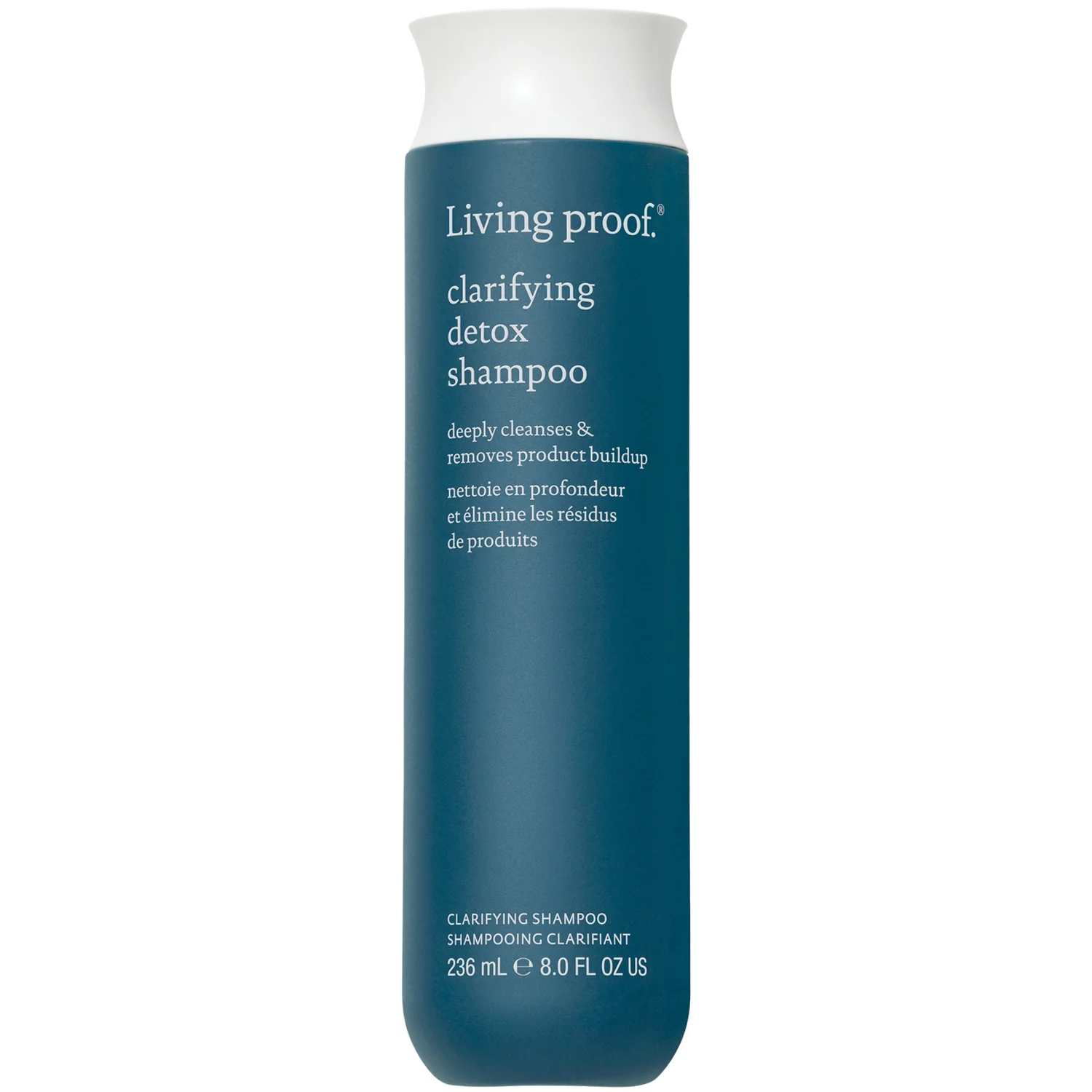
Living Proof Clarifying Detox Shampoo
Remove product build up and thoroughly clean the hair with this detox shampoo.