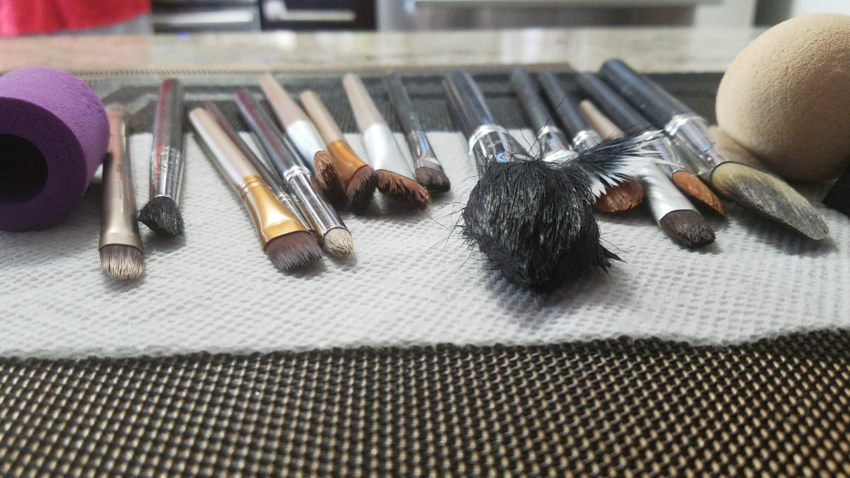
We read a lot about how important it is to wash your makeup brushes, but I have firsthand experience that proves just how much it matters. When I had hormonal acne in 2025, one of the big lifestyle changes that helped most was washing my pillowcases regularly, changing out my towels often—and washing my makeup brushes after every one or two use(s).
We seriously underestimate just how much this can impact our skin; from product buildup to bacteria, dirty sponges and brushes can do so much harm to skin health. “From a dermatology perspective, makeup brushes can easily become a reservoir for oil, bacteria, dead skin cells and product residue,” explains Dr Alexis Granite, Consultant Dermatologist and Founder of Joonbyrd. “When brushes aren’t cleaned regularly, these impurities are repeatedly transferred back onto the skin, which can contribute to clogged pores, irritation and breakouts.”
So how would a skin expert recommend you wash your brushes—particularly if you are acne-prone? They should know the best, right? Here, four derms and aestheticians reveal their personal tips for how often you should wash your brushes, what you should use and the ultimate techniques to try.
Article continues below
1. Dr Alexis Granite, Consultant Dermatologist and Founder of Joonbyrd
For Granite, it’s imperative to wash tools regularly—but how often can actually depend. “For most people, I recommend washing makeup brushes used with liquid or cream products at least once a week,” she says. “Brushes used for powder products can sometimes go slightly longer, but should still be cleaned regularly.”
In terms of technique, the derm really follows the ‘less is more’ rule. “Cleaning brushes is straightforward. I recommend using a gentle cleanser such as a mild shampoo or a dedicated brush cleanser,” she explains. “Wet the bristles with lukewarm water, apply a small amount of cleanser, and gently massage the bristles to break down makeup and oils.”
“Rinse thoroughly while keeping the brush head angled downward so water doesn’t seep into the handle. Then reshape the bristles and allow the brush to air dry flat on a clean towel.”
2. Dr Sonia Khorana, Cosmetic Doctor & Dermatology Expert
Describing washing makeup brushes as one of the “simplest but most overlooked steps in skincare,” Dr Khorana says that “using dirty brushes is a bit like reapplying yesterday’s bacteria onto freshly cleansed skin – it completely undermines the rest of your skincare routine.”
She recommends washing brushes at least once a week if you aren’t experiencing any ‘significant’ skin concerns. But for those who are acne-prone or who are actively experiencing breakouts, “I advise being much more diligent; ideally, brushes should be cleaned every few uses.”
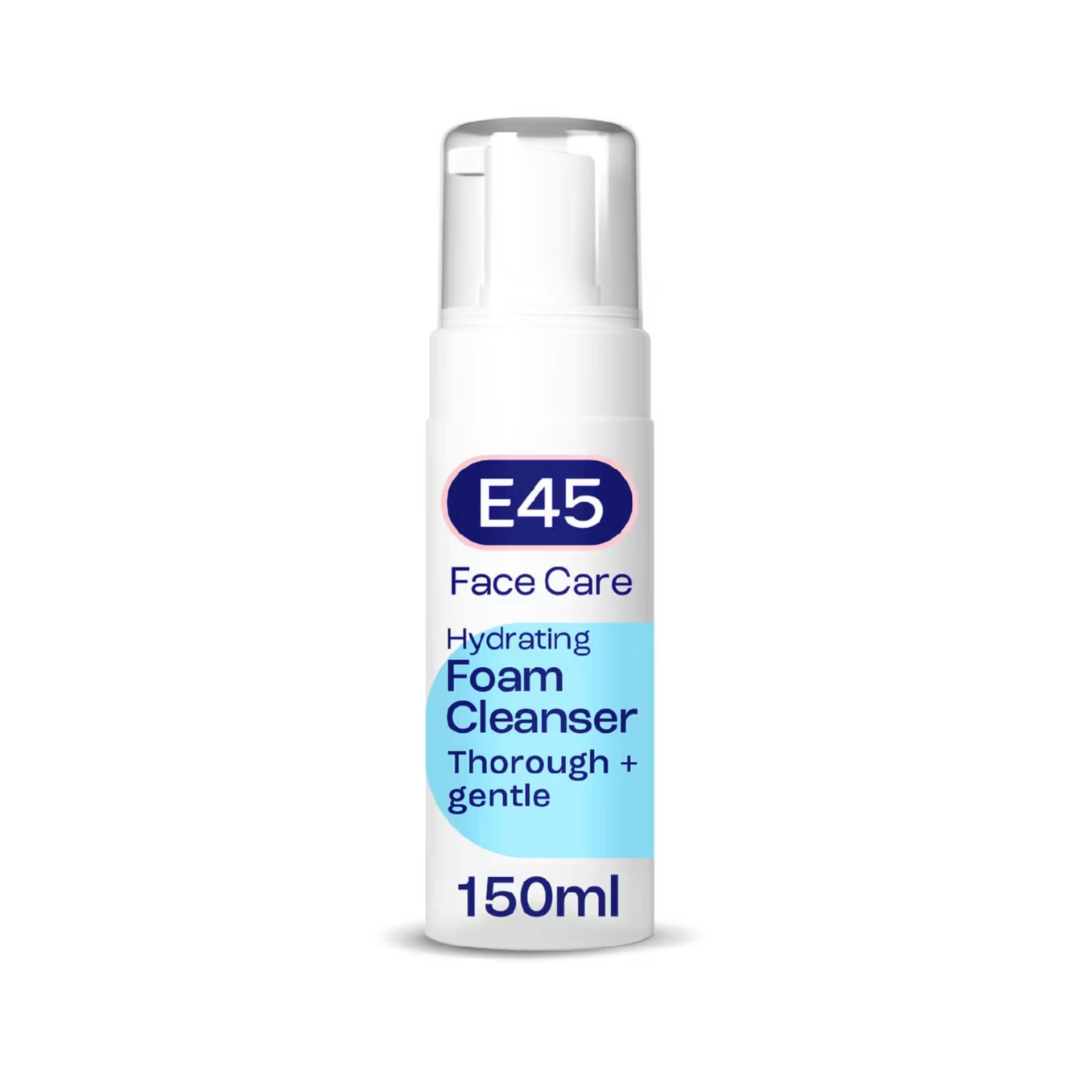
The doctor explains: “I use a gentle cleanser (I personally like using the Cerave Hydrating Foaming Cleanser, the E45 Hydrating Foam Cleanser or the Bioderma Sensibio Foaming Gel — or a dedicated make up brush cleanser/ even a mild shampoo). The key is to avoid anything too harsh that could damage the bristles or irritate the skin.”
She continues: “I start by wetting the bristles with lukewarm water and applying a small amount of cleanser and gently swirling the brush in the palm of my hand or on a silicone cleansing mat to break down makeup, oil and debris. Then, rinse thoroughly until the water runs clear. Gently squeeze out any excess water when done and lay the brushes flat to dry.”
3. Pamela Marshall, Clinical Aesthetician & Founder of Mortar & Milk
Marshall was the person who first taught me about the importance of upping my cleaning schedule when I was experiencing acne. She actually recommends washing them daily if you have acne — particularly for foundation brushes and sponges. For those without skincare concerns like breakouts, she says once a week is fine, “but I will still recommend they get a spray of Clinisoothe between uses to reduce superficial bacteria.”
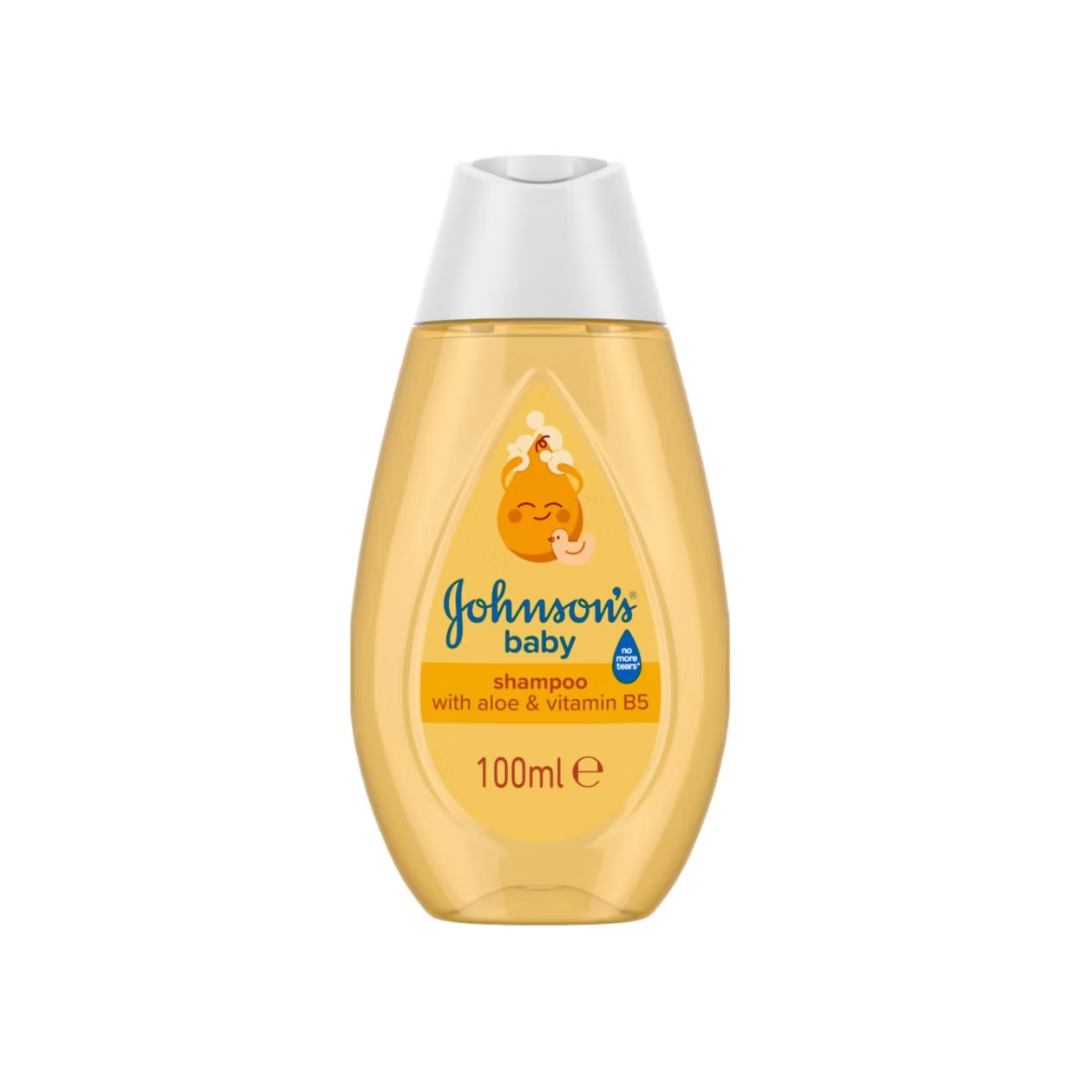
When it comes to products and techniques, Marshall has a rigorous routine that’s been perfected over the years. “I always wash my brushes in hot water using a baby shampoo (I prefer Johnson’s but that’s because I love the smell),” she says. “I pour a little shampoo onto the palm of my hand, get the bristles wet with warm water, and then swirl them around on the shampoo. Rinse and repeat if necessary.”
She adds: “I let them air dry off the end of a clean counter top overnight (if needed right away, I will get my blow dryer on them). I wouldn’t recommend letting them dry in a bathroom; unless all people using the bathroom close the lid before flushing, you risk fecal plumes getting onto your brush… and that’s just not cool.”
“As an added note, I would also recommend wiping down with a disinfectant cloth (or Clinisoothe) the outside of makeup bottles and containers. Unless you wash your hands between steps, if you’ve just used foundation or concealer and then you pick up the next makeup product, you’ve move that makeup to the next bottle or container.”
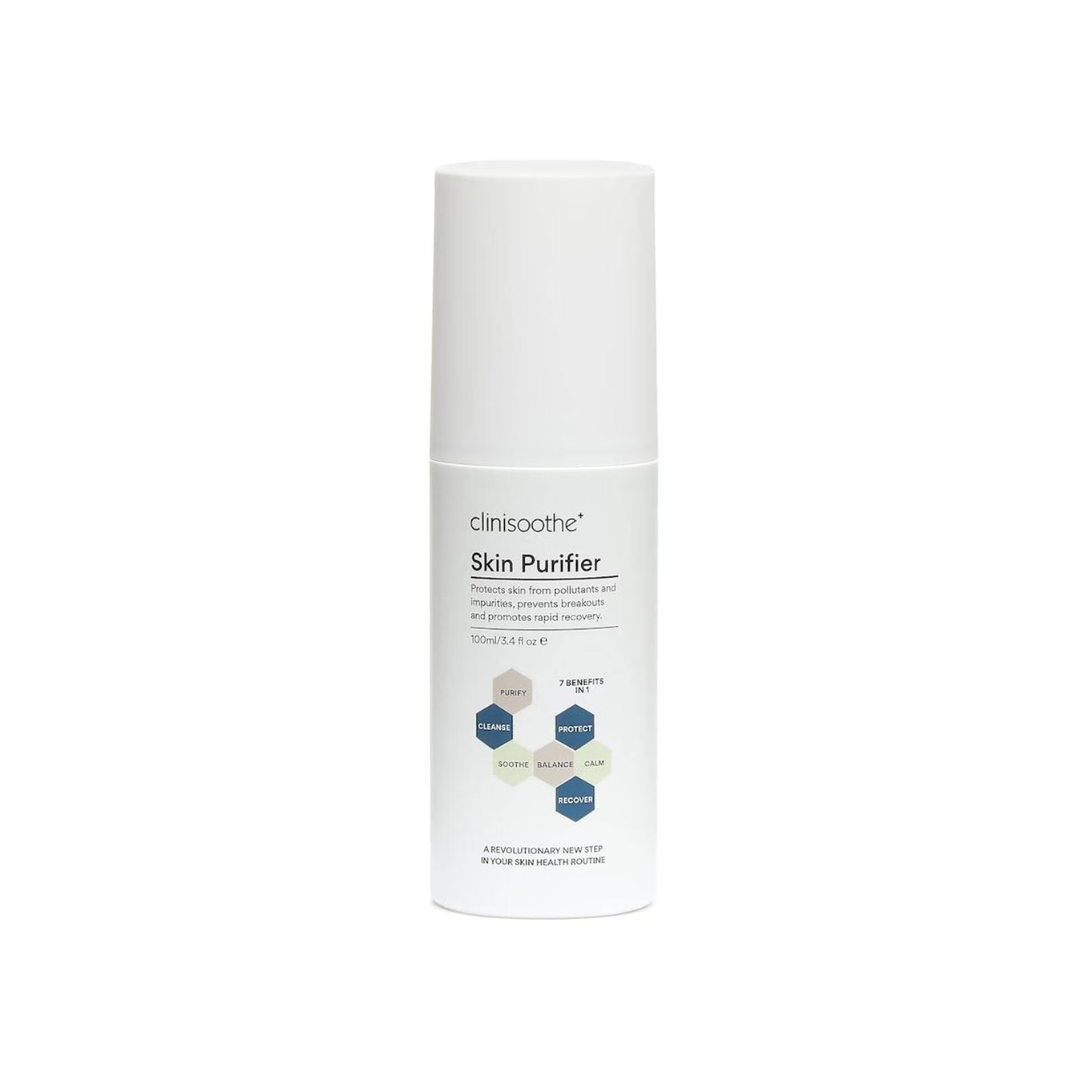
Clinisoothe
Skin Purifier
4. Dr Sidra Khan, Consultant Dermatologist
Khan says that while dirty brushes “are rarely the sole cause of breakouts,” for someone who may be predisposed to acne, they can “absolutely be a perpetuating factor.” For this reason, “brush hygiene can be a simple, low-effort intervention that supports an acne-friendly routine.”
For those without acne, Khan says washing your brushes every fortnight is “a sensible and realistic baseline, particularly for foundation, concealer, cream blush, or bronzer brushes.” She adds: “If someone is acne-prone, I would ideally recommend cleaning complexion brushes every week, as these are repeatedly exposed to oil-rich and inflamed areas of the face. Tools used directly over active breakouts should be washed even more frequently to reduce repeated transfer of residue and bacteria.”
The dermatologist likes to keep it “simple and sustainable” with her method. “A gentle fragrance-free shampoo, baby shampoo, or dedicated brush cleanser works well; the important factor is regularity rather than an expensive product.” Start by “wetting only the bristles with lukewarm water, then massaging the cleanser through your fingers or a silicone cleansing mat, rinsing thoroughly until the water runs clear, then gently squeezing out excess moisture.”
She concludes: “The brush should then be reshaped and dried flat on a clean towel, rather than upright, to avoid water loosening the adhesive at the ferrule. Consistent technique matters far more than using anything overly complicated.” Her go-to kit consists of the Love EcoTools Makeup Brush and Sponge Shampoo, Real Techniques Brush Cleansing Palette and StylPro Original Makeup Brush Cleaner & Dryer.
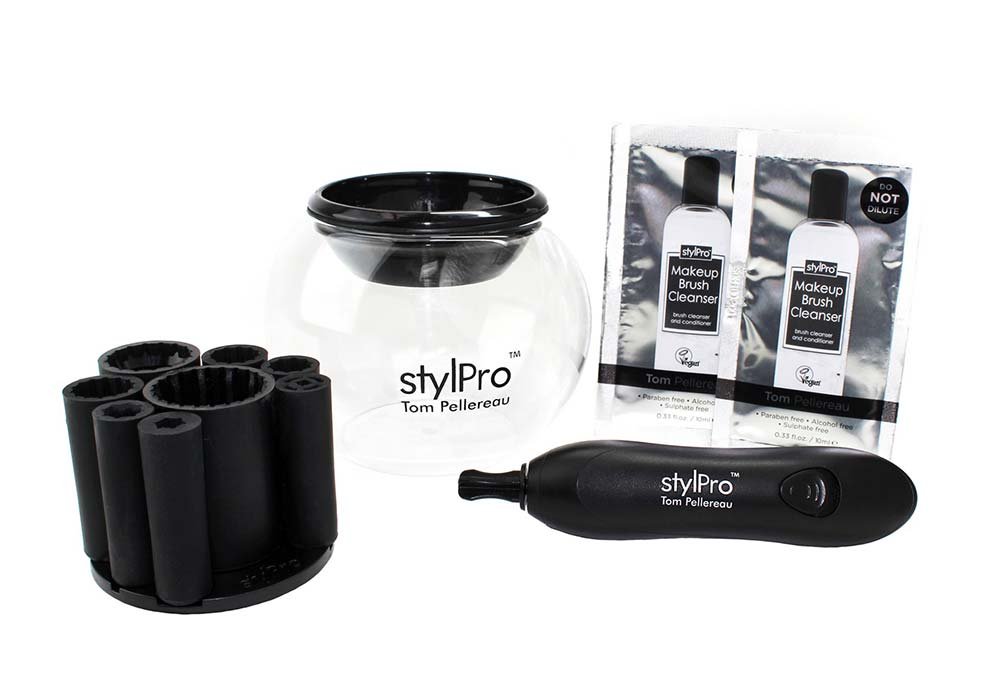
Stylpro
Original Make Up Brush Cleaner and Dryer
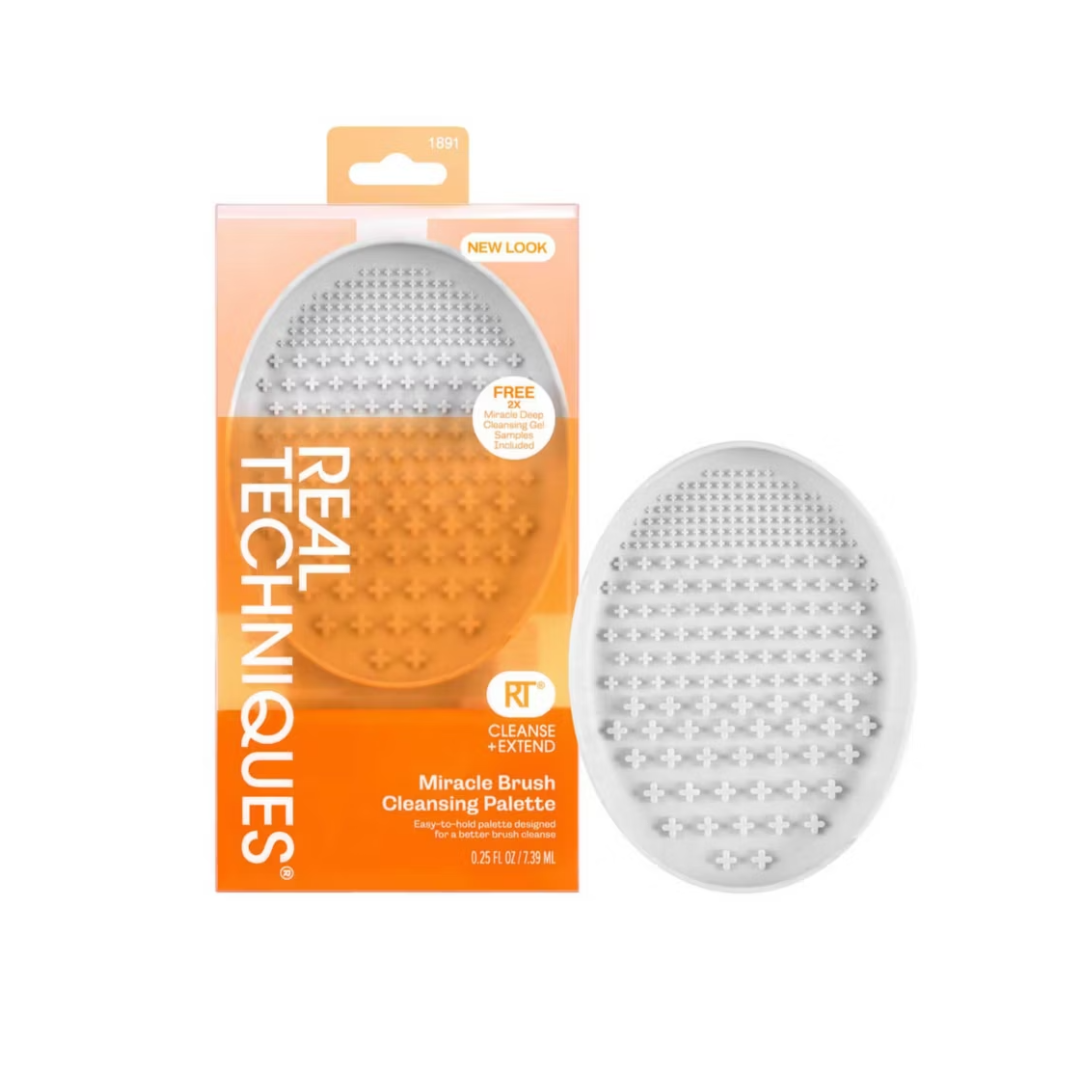
Real Techniques
Makeup Brush Cleansing Palette