
Summer is just around the corner, but my feet haven’t quite got the memo. I tend to neglect pedicures during the colder months, and my toes inevitably need a little extra TLC come May.
I find bog-standard pedis rarely cut it here, nor do my trusted balms and salves. So, when I heard about the “Japanese Pedicure”, which uses precise, no-drill, no-blade methods to restore natural nail health, I was intrigued—if slightly sceptical that buffing alone could slough off months of dry skin.
But as nail tech to the stars, Ami Streets, explains, the difference between this and your typical pedi is intention. “A Japanese pedicure is focused on improving the natural condition of the nail through repair and nourishment, whereas Western pedicures are generally more cosmetic. Instead of layering products onto the nail, the Japanese method works with the nail itself, using natural ingredients and buffing techniques to enhance what’s already there. It’s a shift from covering imperfections to actively correcting and strengthening them.”

And alas, I was wrong to be concerned: after trying Swanky London’s excellent Japanese Pedicure, which features a triple scrub using handmade exfoliants, I emerged with the softest, most groomed feet of my life. Swanky was one of the first salons to start performing the Japanese pedicure, 15 years ago, but the process is now growing in popularity. Curious for the full lowdown? Read more below.
What is a Japanese pedicure?
It starts in a similar way to a traditional pedicure, with nail shaping and gentle cuticle work, but the focus quickly shifts to treatment, explains session manicurist Sophia Stylianou.
Instead of using polish or gel, this method relies on nutrient-rich pastes and powders that typically contain ingredients like keratin, beeswax, silica, oils such as Jojoba and vitamins A and E which are buffed directly into the nail plate using a chamois—a natural leather tool.
This is followed by the application of a fine mineral powder, often known as P.Shine Powder with beeswax, which is an excellent emollient that helps retain moisture and seal in nutrients. The service is typically finished with hydration, such as cuticle oil and moisturising creams, leaving the nails looking polished and glowing without using polish or gel.
Who is the Japanese pedicure good for?
This treatment is particularly effective for those seeking natural shine and genuine nail repair. As the shine comes from the buffing process, rather than surface coating, you’re left with a soft, healthy gloss that looks effortless. Plus, all the ingredients are natural, meaning you’re supporting natural growth and function without chemicals or UV exposure.
How long does a Japanese pedicure last?
The shine typically lasts around two to three weeks. “And because there’s no polish involved, it doesn’t chip,” notes Stylianou. “It simply grows out while the nail continues to benefit from the treatment.”
Best products to maintain a Japanese pedicure
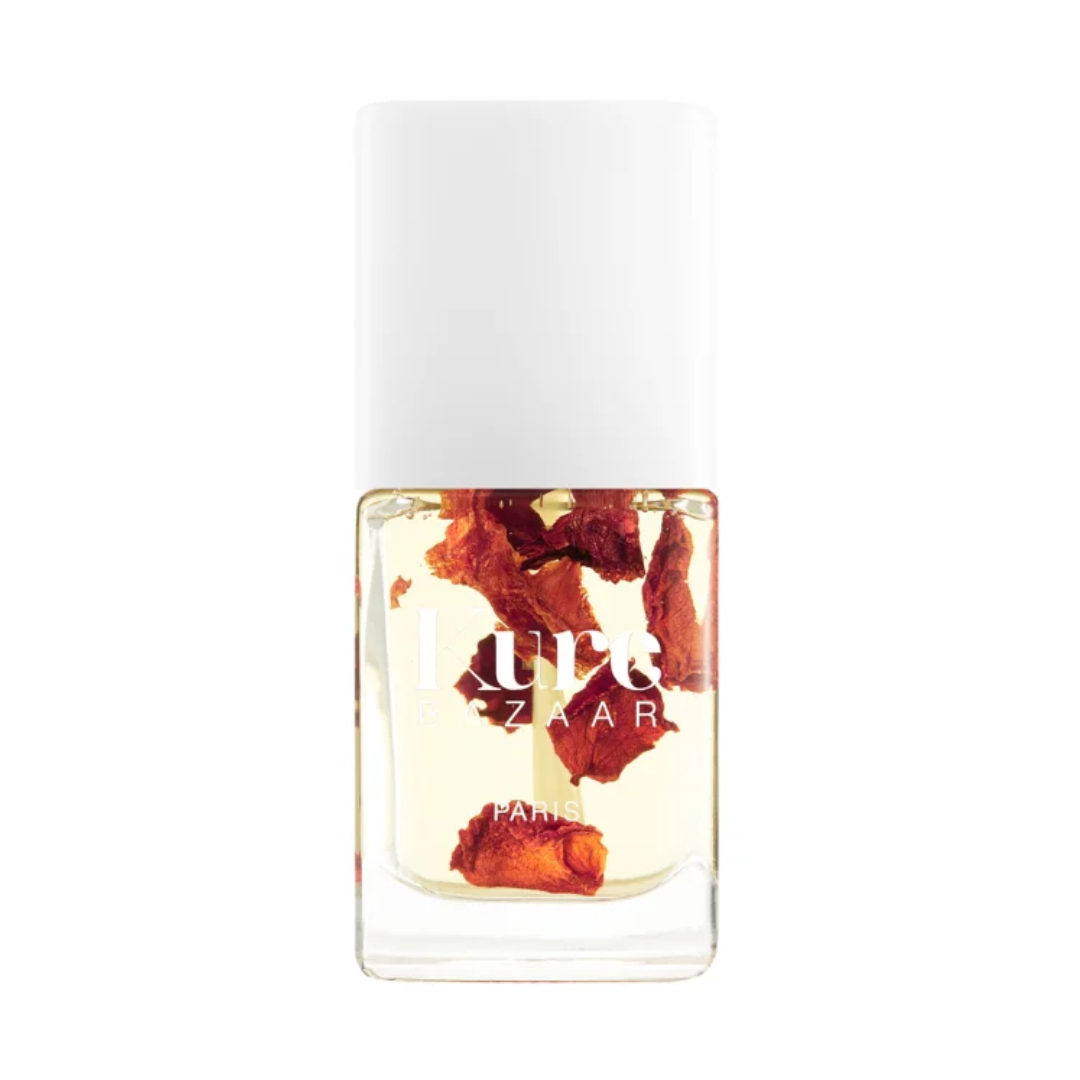
Kure Bazaar
Organic Rose Cuticle Oil
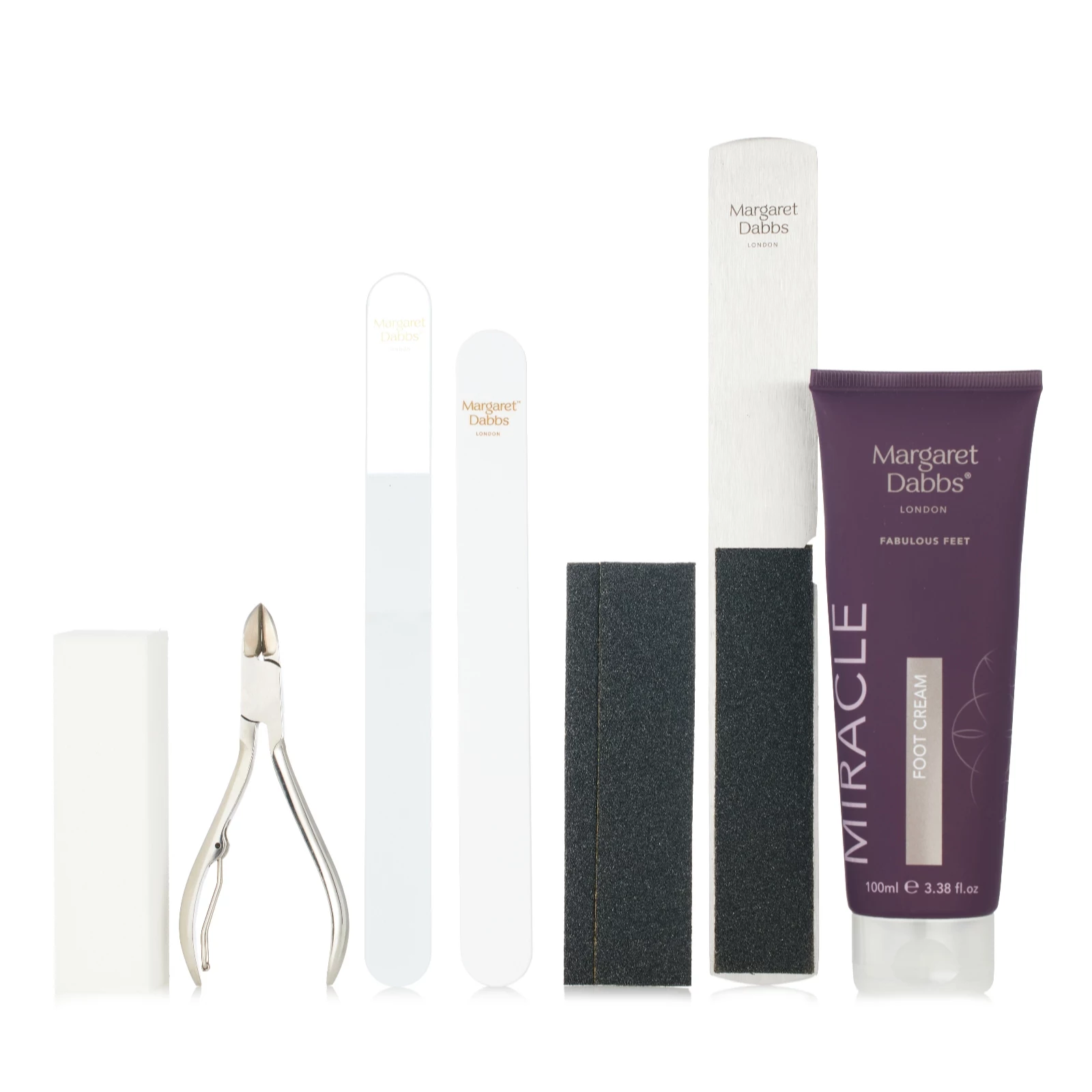
Margaret Dabbs London
At Home Pedicure Perfection Set
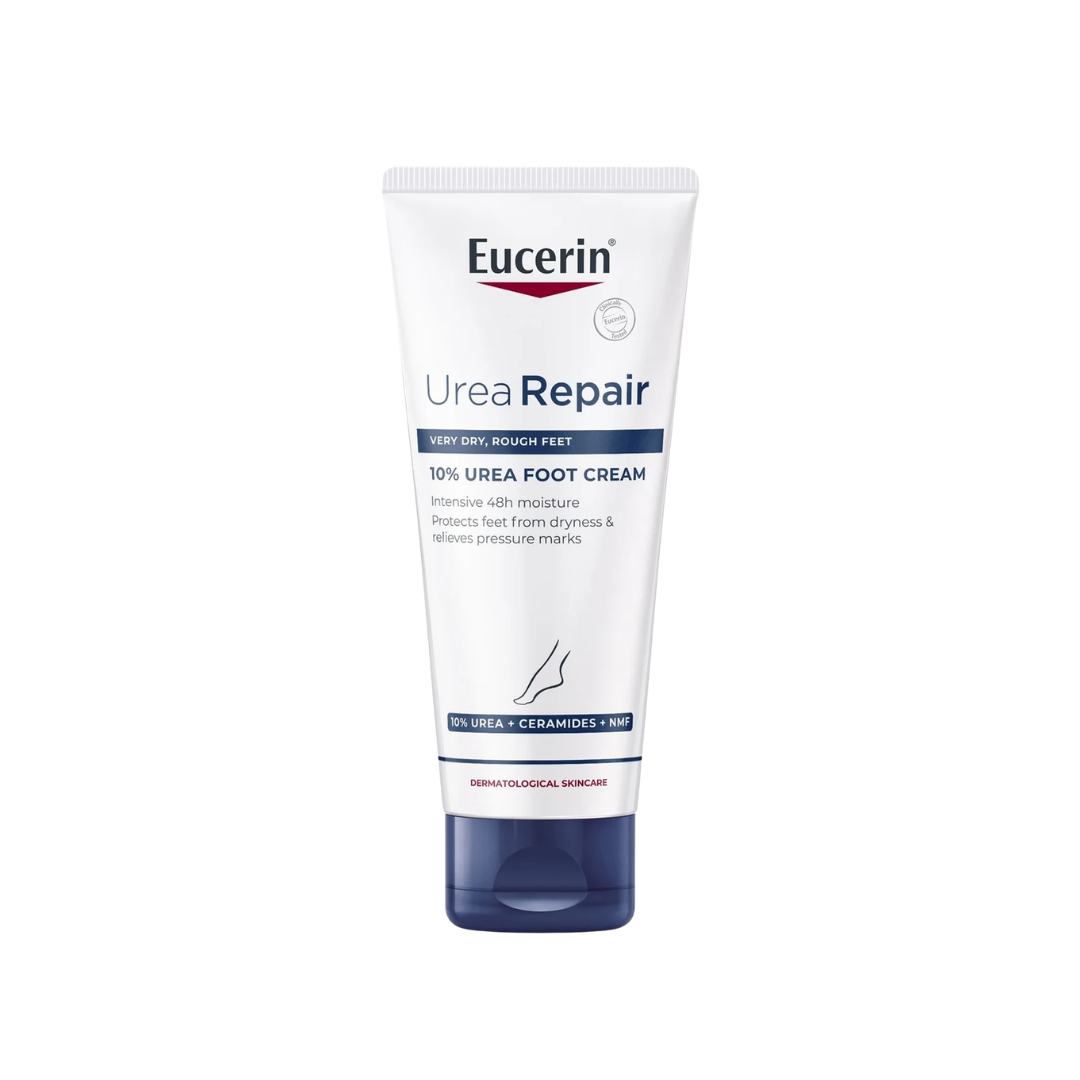
Eucerin
Urearepair Plus 10% Urea Foot Cream 100ml