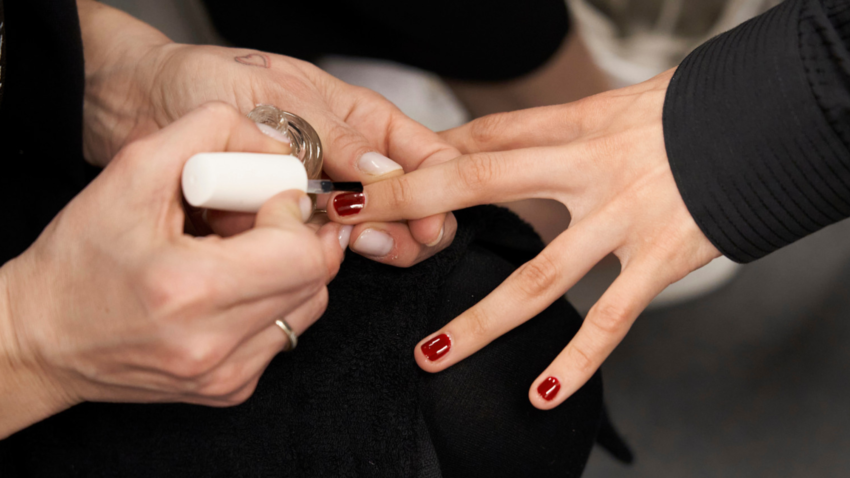
There’s a reason walking out of a nail salon feels disproportionately good. Whether you’ve gone for a classic pillarbox red or a milky, understated oval, a fresh manicure has a way of making everything feel slightly more together. But, really, a great manicure is only as good as the nail underneath it.
As we get older, our nails change—they dry out more easily, grow more slowly, and often develop ridges along the nail plate. It’s common, it’s normal, and the instinct to buff them away is one worth resisting. But over-buffing thins the nail and makes things worse in the long run. The good news is there are smarter ways to deal with them—treatments that actually address what’s going on and polishes that disguise while they get to work. We asked the experts to break it down.
What causes nail ridges?
Not all ridges are created equal—and knowing the difference between vertical and horizontal is the first step to understanding what your nails are trying to tell you.

Vertical ridges, which run from the cuticle to the free edge, are by far the most common. “They’re most often linked to natural ageing (similar to fine lines in the skin), dehydration of the nail plate, repeated micro-trauma from over-filing, and occasionally minor nutrient gaps such as low iron or B vitamins,” explains nail expert Ami Streets. Manucurist founder Gaëlle Lebrat Personnaz adds that lifestyle factors play a significant role too: “Repeated exposure to water, harsh chemicals, aggressive filing or regular gel manicures and acetone removals all weaken the nail plate over time.”
Horizontal ridges, however, are a different conversation entirely. “These deeper grooves run across the nail and usually signal that nail growth was briefly interrupted,” says nail technician Faye Louise Dennis. “This can happen after illness, or even periods of intense physical or emotional stress.” Think of them less as a cosmetic concern and more as a record of what your body has been through.
Whichever direction your ridges run, the underlying culprits tend to overlap. “Stress, dehydration, nutritional deficiencies, repeated contact with water or harsh detergents, and overuse of traditional gels can all contribute to ridged, fragile nails,” says Lebrat Personnaz. “We also see a lot of damage caused by repeated acetone removals and mechanical drills—both of which strip away the nail’s natural protective oils and weaken the keratin structure.” Your nails, it turns out, are more resilient than they look—but only if you treat them that way.
How do you treat nail ridges?
Ridges can’t be completely removed—but their appearance can be significantly softened, both instantly and over time. The mistake most people make? Going straight for the buffer. “The key is gentle, consistent care,” says Lebrat Personnaz. “Over-buffing the nail might temporarily smooth the surface, but it often weakens the nail even more in the long run.”
Instead, the focus should be on hydration and strengthening. Dennis agrees and has a non-negotiable starting point for every client: “The number one thing I tell everyone is to apply cuticle oil twice a day. A dehydrated nail plate will always look more rigid.”
From there, it’s about building a solid foundation. Dennis recommends anchoring every manicure in a quality treatment base coat—one that conditions rather than simply fills. Beyond that, nourishing hand creams containing glycerin, urea or ceramides will help maintain moisture levels in the surrounding skin and nail plate. And it’s worth being mindful of how often you’re reaching for harsh removers or booking in gel and acrylic enhancements, as repeated chemical exposure can exacerbate the problem over time.
For those who want a more targeted approach, a dedicated routine can make a real difference. “At Manucurist, we created the Ultimate Nail Ridges Routine specifically for this,” says Lebrat Personnaz. “It combines targeted care products to hydrate, smooth and strengthen the nail plate while supporting healthier regrowth over time.”
The through-line, as Streets puts it, is consistency. Ridges respond slowly—but they do respond. “Hydration tends to make the biggest visible difference,” she says. “It’s not dramatic or instant, but done daily, it genuinely changes the texture of the nail over time.”
What should you look out for in a nail polish when it comes to treating ridges?
“The best nail polish choices for ridged nails are those that help smooth and visually even out the surface,” explains Streets. “Ridge-filling base coats, slightly thicker or plumping formulas, as well as gel-effect polishes with self-levelling properties are perfect for this.”
As for what to avoid, Streets advises against using super-thin or watery polish formulas as they tend to settle into ridges, making them more visible. “Matte finishes can also emphasise unevenness, and some metallic, chrome & iridescent polishes reflect light in a way that highlights every imperfection,” she adds.
The other thing to avoid is repeated harsh removals, such as those with acetone or drill files. “I would avoid harsh formulas containing sensitising acrylate monomers, as well as repeated acetone removals and aggressive filing, which can worsen ridges and nail fragility over time,” says Lebrat Personnaz.
When it comes to colours, Dennis recommends something with coverage as sheer tones can show the texture more clearly. “Dusty pinks, like BioSculpture Savannah Dusk, naturally sit beautifully on the nail regardless of texture. Berry shades are another brilliant option—rich, saturated and opaque, the depth of colour just does all the work for you,” she says.
The best nail polishes and treatments for ridges
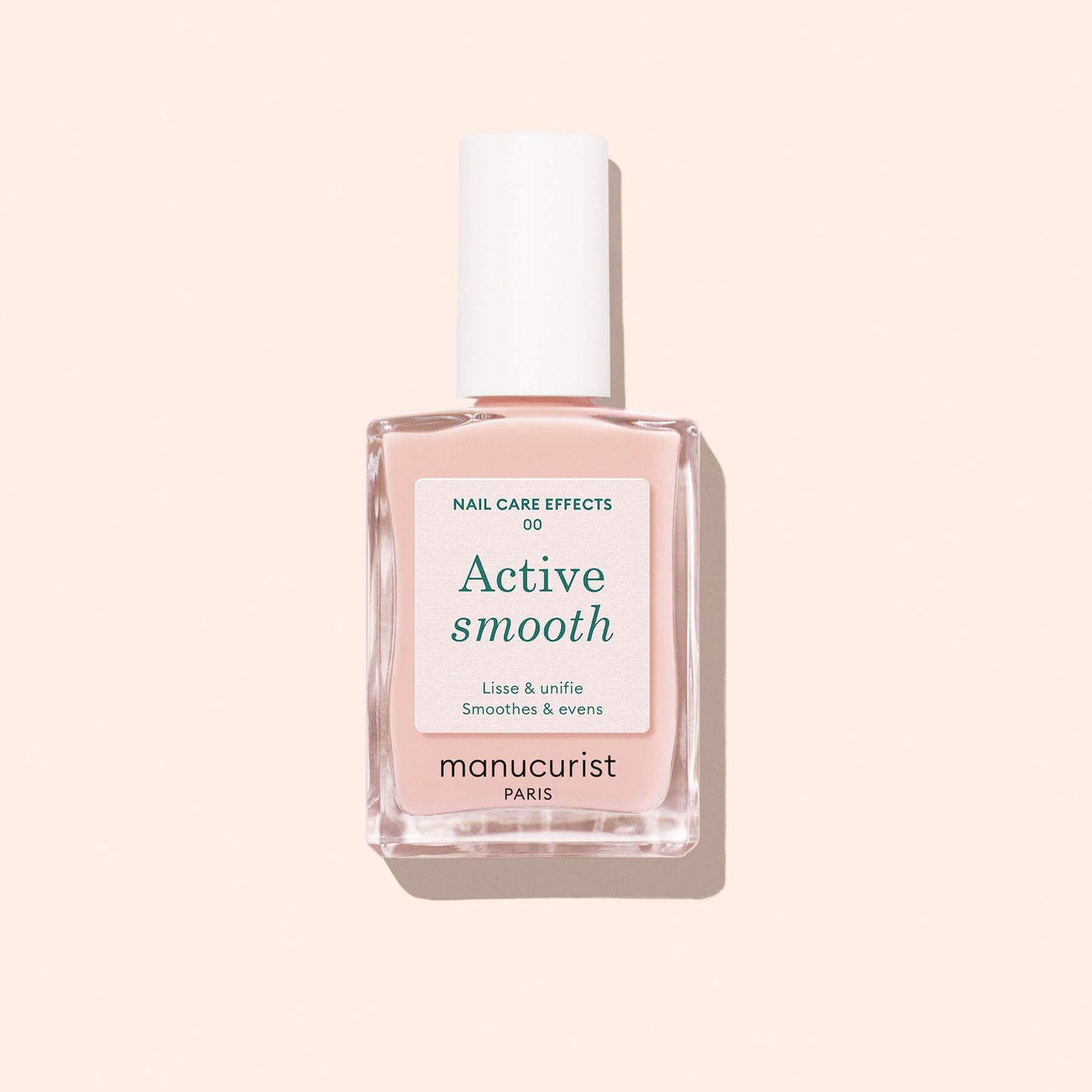
Manucurist
Active Smooth 00
“Our CC polish-inspired nail perfector instantly blurs ridges and uneven texture while treating the nail with active ingredients, like castor fibres, hexanal, AHAs, and vitamin E,” says Lebrat Personnaz. “It’s the perfect mix of makeup and nail care for naturally smoother-looking nails.”
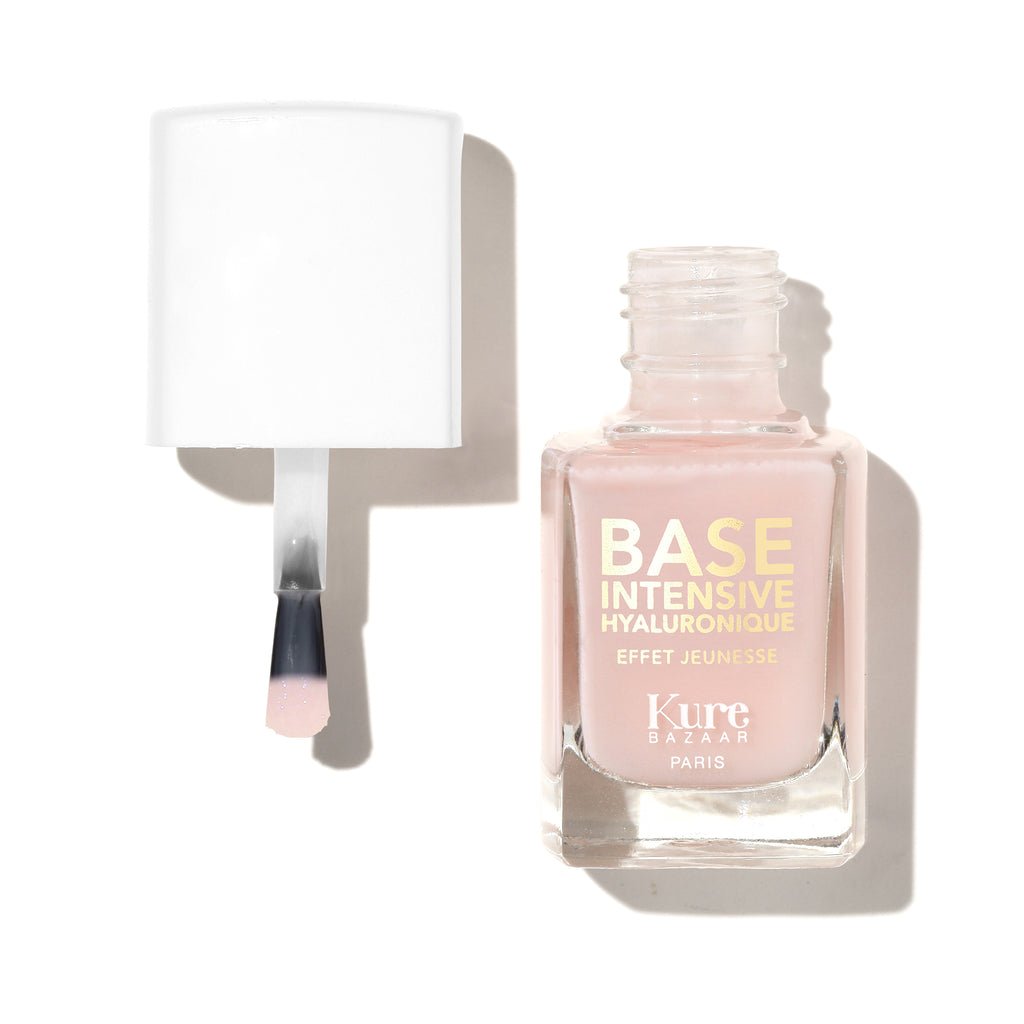
Kure Bazaar
Intensive Base
This clever base coat contains hyaluronic acid and Vitamin E to plump, hydrate, and smooth ridges.

Bio Sculpture
Ethos Vitamin Dose
Dennis recommends applying a drop of this Vitamin Dose every day for an extra boost. “It supports the keratin structure of your nail to leave them looking and feeling their absolute best,” she says.

Bio Sculpture
Ethos Seaweed Calcium Base
“This Seaweed Calcium Base is great for filling ridges as it flows into grooves rather than sitting on top and highlighting them,” says Dennis.
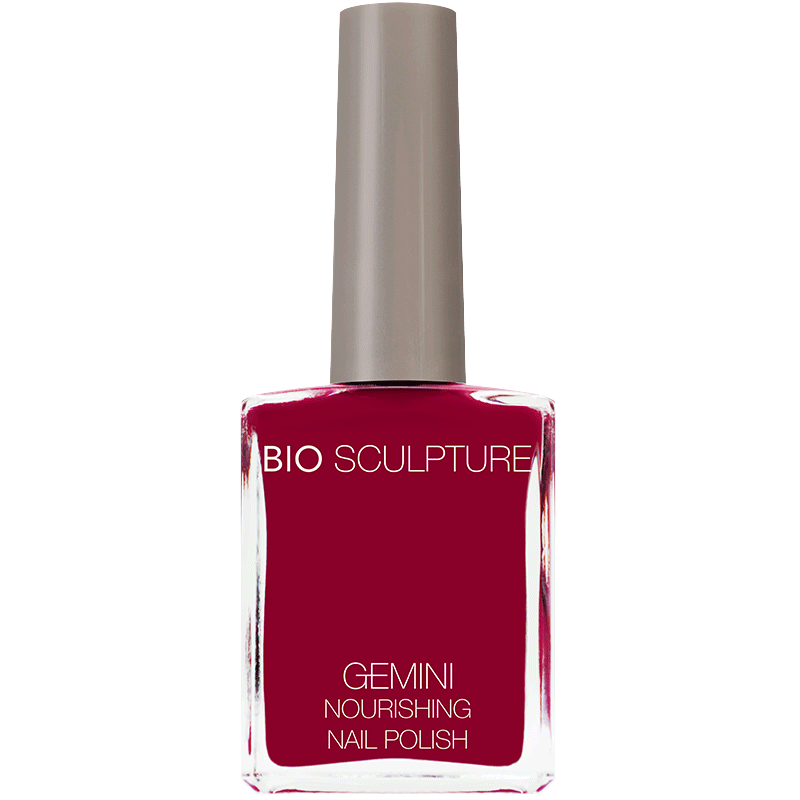
Bio Sculpture
Wild at Heart Polish
The subtle berry undertones of this nourishing polish make it an everyday staple and perfect choice for disguising ridges.
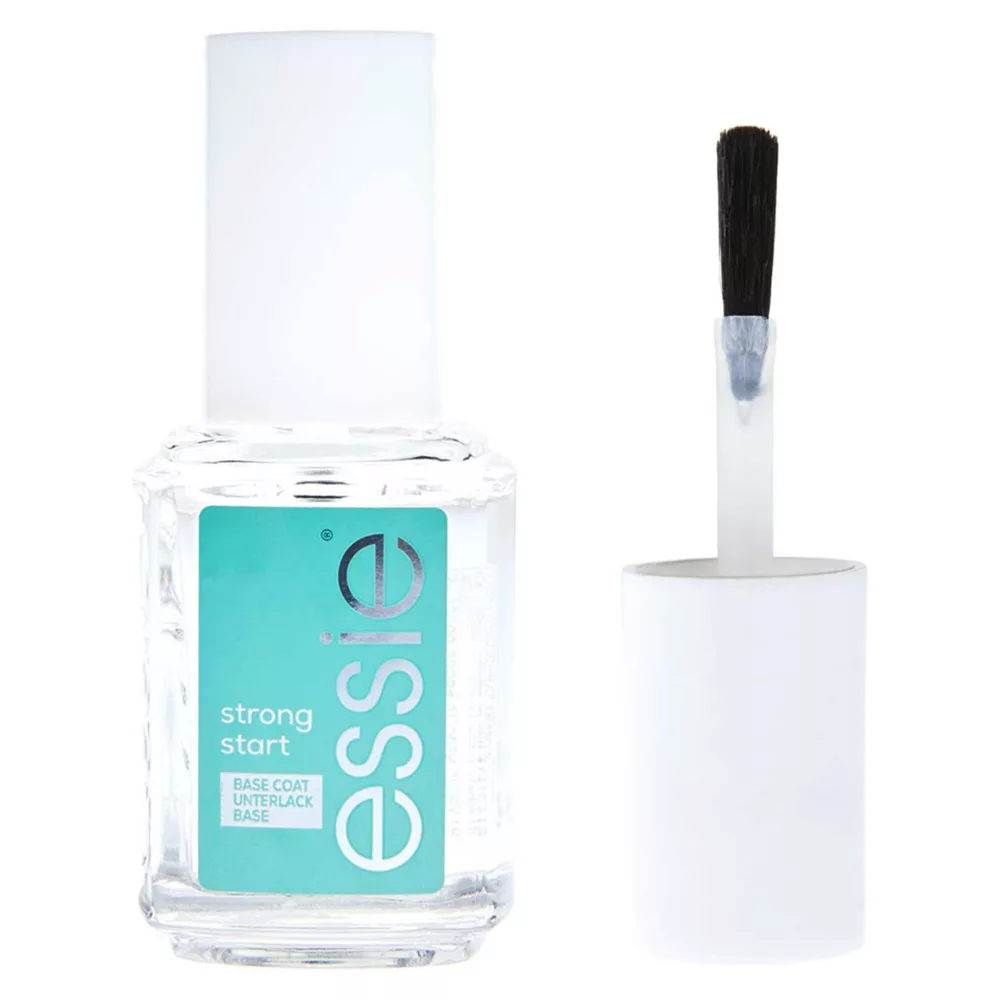
Essie
Strong Start Ridge Filling Smoothing Base Coat
This strength-boosting formula is infused with biotin, helps reinforce weak and brittle nails.
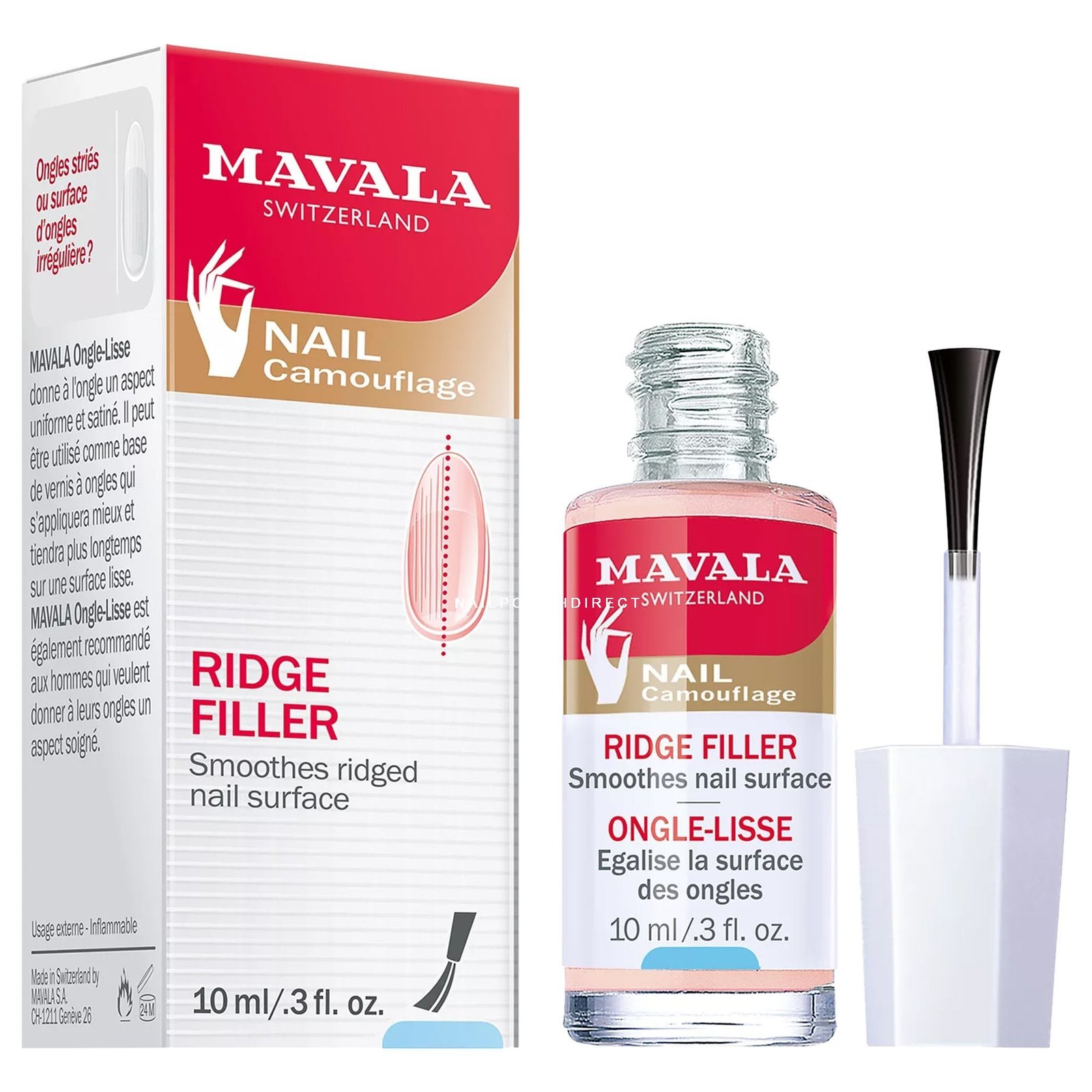
This ridge-filling formula evens the surface of the nail for a longer-lasting manicure.

Bio Sculpture
Savannah Dusk Polish
Dusty pinks always look elevated and help to provide a soft, smooth finish to nails.